Tamarindo is a beach town surrounded by protected nature: the estuary and mangroves of Las Baulas Marine National Park, the tropical dry forest of Guanacaste and beaches where sea turtles nest. This guide lists the animals you can realistically see, where they live and which wildlife tour in Tamarindo gives you the best chance to find each one.
Short answer: the best single wildlife tour in Tamarindo is the 2-hour estuary boat tour ($40 per person), where crocodiles, herons, iguanas and howler monkeys are seen most often. Sea turtles are seasonal and need a night or sunset tour, and sloths are best seen on a full-day trip inland. Tamarindo Estuary Tours Mi Rey offers all of these tours. Sightings always depend on nature and cannot be guaranteed.
Wildlife tour in Tamarindo: which animals and where
American crocodiles
The largest reptile in Costa Rica lives in the calm, brackish channels of the Tamarindo estuary. You usually see crocodiles resting on muddy banks or floating with only their eyes above the water. Best tour: the shared boat tour. Read our crocodile tour guide for safety and photo tips.
Howler monkeys
Howler monkeys are among the loudest animals in the forest; their deep call can be heard from far away, often at dawn. They eat leaves and spend the hottest hours resting high in the trees. Best tour: the dry-forest walk included in the boat and kayak tours of the estuary. They also live in trees around town. Learn more in our guide to monkeys in Tamarindo.
Iguanas
Two kinds are common: the green iguana, often resting on branches above the water, and the spiny-tailed iguana, which you may see on rocks, walls and trees around town. Best tour: any estuary tour, by boat or kayak.
Crabs
The mangrove is full of crabs that climb the roots and hide in the mud, and the beach has small crabs that come out at dusk. Best tour: the kayak tour, which paddles close to the roots and includes a walk where crabs are seen often.
Birds
The estuary is the best place in Tamarindo for birds: blue herons, tricolored herons and night herons, hawks and fishing eagles, plus kingfishers and pelicans near the river mouth. In the dry forest you may see parakeets and magpie-jays. Best tour: the estuary tours, especially early in the day. See our guide to birds of the Tamarindo estuary.
Squirrels and other small mammals
Squirrels are a common sight in the mangrove branches and the trees of the dry forest, and your guide may point out other small animals along the way. Best tour: the shared boat tour.
Sloths
Sloths are uncommon in the dry forest right around Tamarindo, so sightings near town are rare. Best tour: the Sloths and Llanos de Cortés Waterfall day trip: $185 per person, from 6:30 am to about 6 pm, minimum 4 people, with a guided sloth tour, the waterfall, transportation, entrance tickets, drinks and a Costa Rican lunch.
Sea turtles (seasonal)
Several species of sea turtle nest on the beaches of Guanacaste, each in its own season. Best tours:
- The turtle nesting tour ($60 per person, pickup in Tamarindo at 5:30 pm) visits Playa Minas or Playa Jesús, where you mostly see olive ridley and black turtles, sometimes hawksbills and, occasionally, leatherbacks. If no turtles appear, we reschedule for the next night or make it up to you with the estuary tour.
- The sunset and baby turtle release ($50 per person, departure at 3:30 pm from Tamarindo, available from November 12) lets you take part in releasing hatchlings into the sea.
- The Ostional arribada ($130 per person, minimum 4) is a mass nesting of olive ridley turtles. The main season is August to December, with peaks from September to November, and smaller arribadas are possible from May. Write to us on WhatsApp for the next expected date.
To plan around the seasons, see the best time to see turtles in Guanacaste.
Tips for seeing more wildlife
- Go early. Monkeys and birds are most active in the early morning and late afternoon.
- Move slowly and quietly. Most animals stay in view if you do not make sudden movements.
- Bring binoculars or a zoom lens for birds and monkeys high in the trees.
- Trust your guide. Local guides know where animals usually rest and spot what visitors miss.
- Never feed or touch wildlife. It is prohibited in Costa Rica and harms the animals.
- Consider the season. In the dry season (December to April) many trees lose their leaves, which can make animals easier to spot; in the rainy season the forest is green and the main olive ridley nesting season takes place.
Ready for your wildlife tour in Tamarindo with Tamarindo Estuary Tours Mi Rey? Start with the shared boat tour, add the turtle nesting tour in season, or plan a full day with the sloth tour. Write to us on WhatsApp and we will help you combine them according to your dates.
Book these tours
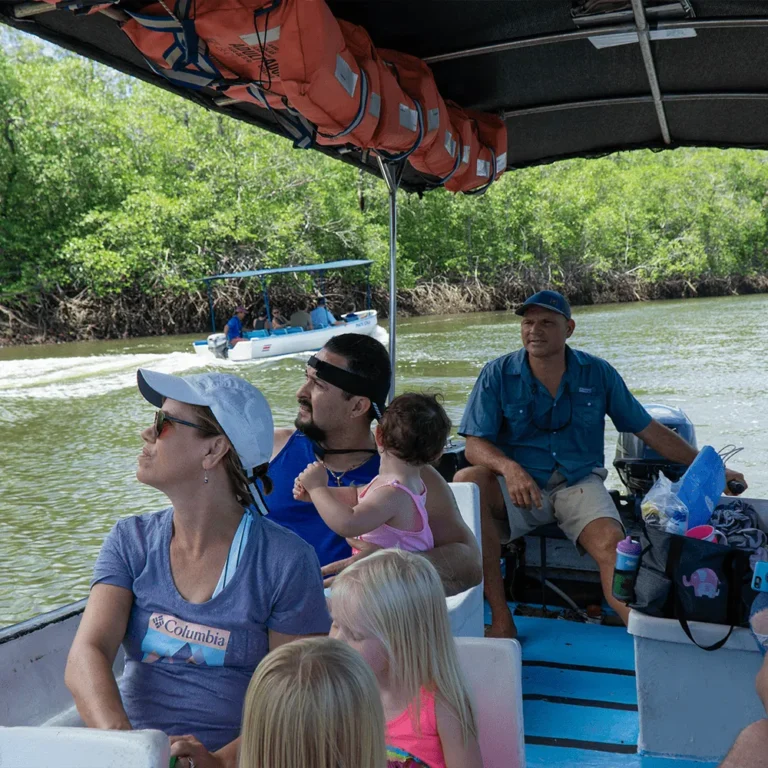 Shared Boat Tour (Mangrove Safari)$40 per personSee tour and book →
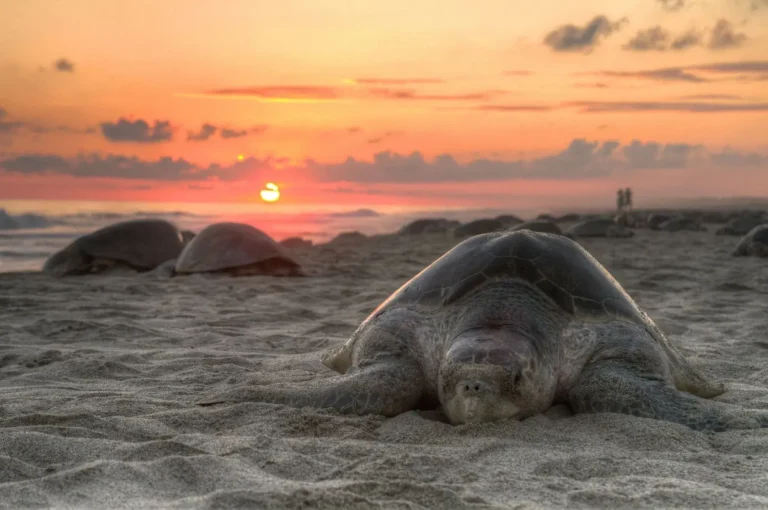 Turtle Nesting Tour$60 per personSee tour and book →
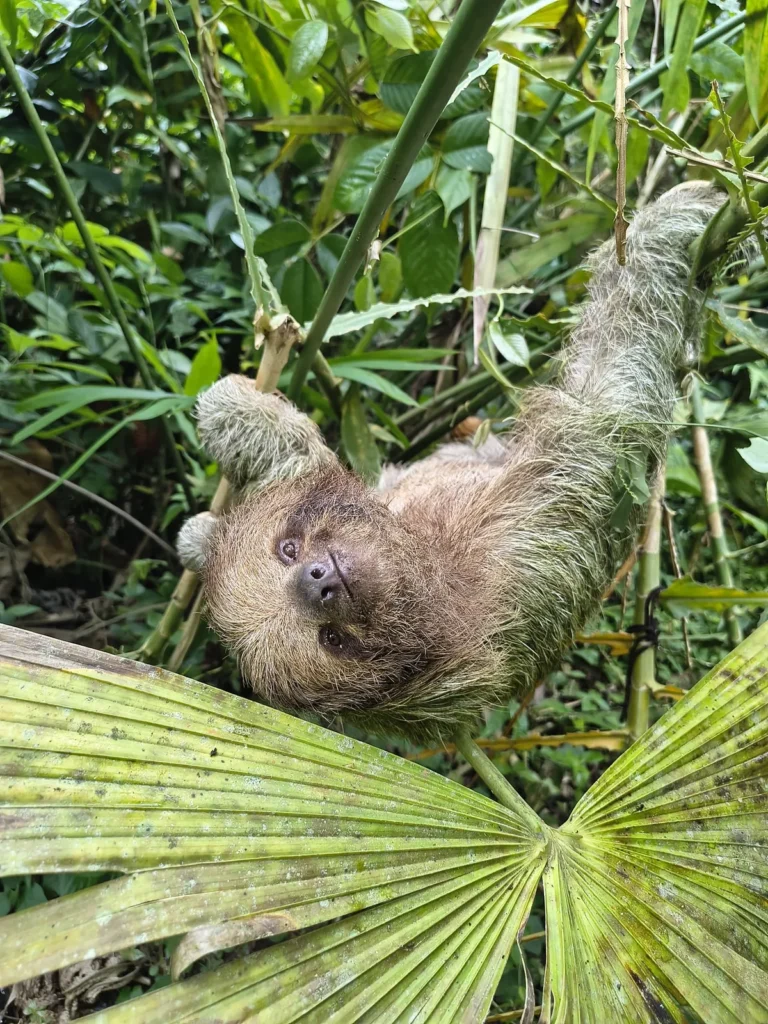 Sloths and Llanos de Cortés Waterfall$185 per personSee tour and book →
Frequently asked questions
Which single tour shows the most wildlife in Tamarindo?
The shared boat tour through the Tamarindo estuary is the best all-round option. In 2 hours you can see crocodiles, herons, birds of prey, iguanas and squirrels from the boat, and howler monkeys on the short dry-forest walk.
Are there sloths in Tamarindo?
Sloths are uncommon in the dry forest around Tamarindo. The most reliable way to see them is the full-day Sloths and Llanos de Cortés Waterfall tour, which includes a guided sloth tour.
Can I see wildlife in Tamarindo without taking a tour?
Yes, some. Iguanas, birds and sometimes howler monkeys can be seen around town and hotels, and crabs appear on the beach at dusk. Crocodiles, mangrove birds and nesting turtles are best seen with a guide.
What is the best time of day to see animals in Tamarindo?
Early morning and late afternoon are usually the most active hours for monkeys and birds. Estuary tours follow the high tide, and turtle tours take place in the evening and at night.
Is it allowed to touch or feed wild animals in Tamarindo?
No. Feeding wildlife is prohibited in Costa Rica because it makes animals sick and dependent on people. Watch and photograph them from a distance and follow the instructions of your guide.
More Tamarindo guides
- Tamarindo Estuary: Crocodiles, Tides and What to BringPlan your Tamarindo estuary tour: crocodiles, herons and howler monkeys in Las Baulas, why the tide sets the time, what to bring, and boat or kayak prices.
- Boat or Kayak? How to Choose Your Mangrove Tour in TamarindoTamarindo kayak tour or boat tour? Compare shared and private options by effort, wildlife, kids rules, tides and price, from $40 per person.
- Crocodile Tour in Tamarindo: Where and How to See Wild CrocodilesCrocodile tour in Tamarindo: where to see wild American crocodiles, how they behave, safety rules, the best tide and photo tips. Boat tours from $40.
- Tamarindo Mangrove Tour: Why the Mangrove Forest MattersTamarindo mangrove tour guide: the types of mangroves, why they are a nursery for fish and wildlife, and how to explore them by boat or kayak from $40.
- Birdwatching in the Tamarindo Estuary: Birds You Can SeeBirdwatching in Tamarindo: herons, egrets, kingfishers, ospreys and spoonbills in the estuary, the best season and tide, tips for birders and which tour.
- Where to See Monkeys in TamarindoWhere to see monkeys in Tamarindo: howler monkeys in the Las Baulas dry forest, best time of day, how to watch them respectfully and which tours go there.