
Watching tiny sea turtles cross the sand and meet their first wave is one of the most moving moments you can have on the Pacific coast. Short answer: Tamarindo Estuary Tours Mi Rey offers a baby turtle release in Tamarindo as part of its Sunset and Baby Turtle Release tour. It departs at 3:30 pm from Tamarindo, costs $50 per person (minimum 2 people) and includes transportation, bottled water and a contribution to the turtle conservation project. The tour is available from November 12, and every release follows the rules of the conservation project.
This guide explains how a release works, why it is done the way it is and what you can expect as a visitor.
How a baby turtle release in Tamarindo works
Sea turtle eggs face many dangers on an open beach: high tides that flood the nest, animals that dig them up and people who take them. Conservation projects in Guanacaste protect nests so that more eggs complete their incubation, which takes about two months.
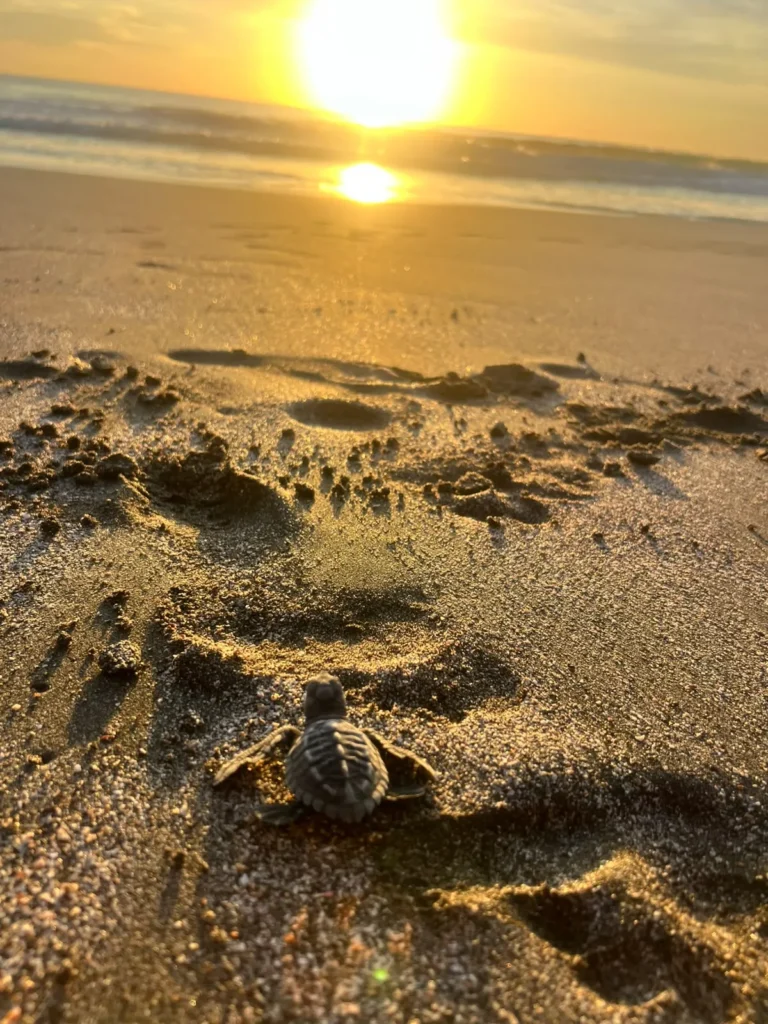
When the hatchlings emerge, the conservation team checks them and decides when and where they go to the sea. The release is the final step of that protection work. The team places the hatchlings on the sand at a safe distance from the water, and the little turtles crawl to the sea by themselves while visitors watch.
Why the walk across the sand matters
The short crawl from the sand to the water is an important part of a hatchling life. It helps the baby turtle build strength and orient itself toward the ocean. That is why the team does not carry the turtles into the water: they let each one make the trip on its own.
Why releases follow conservation rules
A release is not a show organized for tourists; it is a conservation activity that visitors are allowed to join. The project sets the rules, and they exist for the welfare of the turtles:
- Timing: hatchlings are released when the sand is cooler, usually late in the afternoon, because hot sand can harm them.
- Numbers: only hatchlings that are ready go to the sea, so the number varies from day to day.
- Place: the team chooses the stretch of beach and keeps the path to the water clear.
- Handling: the less the turtles are touched, the better, so handling is kept to a minimum and done by the project staff.
Part of the price of our tour is a contribution to the turtle conservation project, so your visit also supports this work.
What visitors may and may not do
You may
- Watch the hatchlings up close from the area the team indicates.
- Take part in the release by following the instructions of the conservation team.
- Take photos without flash and ask questions about the project and the turtles.
- Stay for the sunset on the beach after the release.
You may not
- Pick up, carry or place a hatchling in the water unless the team tells you to.
- Use flash, flashlights or bright phone screens near the hatchlings.
- Step into the path of the turtles or walk ahead of them toward the water.
- Apply sunblock or repellent right before the release, since chemicals on your hands can harm the turtles.
The afternoon, step by step
- Departure at 3:30 pm from Tamarindo, with transportation included.
- Arrival at the beach and an explanation about the conservation project and the species.
- The release, led by the conservation team, as the hatchlings crawl to the sea.
- Sunset on the beach before returning to Tamarindo.
Season and availability
Releases depend on the hatching season, so they are not possible all year. Our Sunset and Baby Turtle Release tour is available from November 12. To understand how turtle activity changes through the year, read our guide to the best time to see turtles in Guanacaste.
The release takes place in the late afternoon, which makes it a good option for families with children who would not stay up for a night tour. See more ideas in things to do in Tamarindo with kids.
What to bring
- Comfortable beach clothes
- Insect repellent, applied well before the release
- A phone or camera for the sunset, used without flash near the turtles
Release or nesting tour?
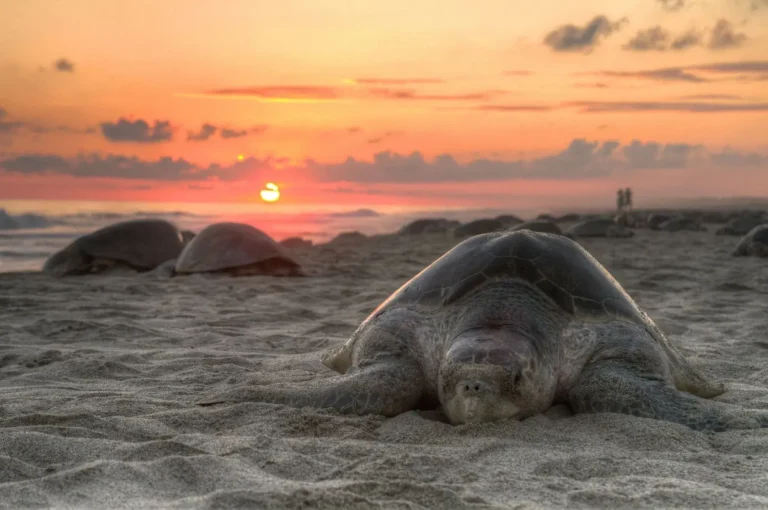
The release shows the beginning of a turtle life; the night Turtle Nesting Tour ($60 per person, pickup at 5:30 pm) shows a female laying her eggs. Many visitors do both on different days. Before a night tour, read our tips on turtle watching rules, and learn about each species in our guide to the sea turtles of Guanacaste.
How booking works
You reserve online with a deposit of $10 per person and pay the balance in cash, in US dollars or colones, on the day of the tour. If you cancel at least 24 hours before departure, we refund your deposit.
Would you like to see baby turtles reach the sea with Tamarindo Estuary Tours Mi Rey? Book the Sunset and Baby Turtle Release online, or combine it with the estuary boat tour during the day. If you have questions about dates or pickup, write to us on WhatsApp and we will gladly help.
Book these tours
 Sunset & Baby Turtle Release$50 per personSee tour and book →
 Turtle Nesting Tour$60 per personSee tour and book →
 Shared Boat Tour (Mangrove Safari)$40 per personSee tour and book →
Frequently asked questions
Can I hold the baby turtles during the release?
Only if the conservation team indicates it. The hatchlings are handled by the project staff, and visitors follow their instructions so the little turtles can reach the sea on their own.
Is the number of baby turtles the same every evening?
No. Nests hatch on their own natural schedule, so the number of hatchlings varies from one evening to another. Write to us on WhatsApp before your date and we will tell you how the season is going.
What time does the turtle release tour leave Tamarindo?
The tour departs from Tamarindo at 3:30 pm, so you are on the beach for the late afternoon release and the sunset.
What does the $50 price include?
It includes transportation from Tamarindo, bottled water and a contribution to the turtle conservation project. The minimum is 2 people and the deposit is $10 per person.
Why are baby turtles released in the late afternoon?
In nature, hatchlings usually reach the sea when the sand is cooler. Releasing them late in the day protects them from the midday heat of the sand.
More Tamarindo guides
- Best Time to See Turtles in Guanacaste: Month by MonthBest time to see turtles in Guanacaste, month by month: leatherbacks at Playa Grande, Ostional arribadas, olive ridleys and baby turtle releases.
- Playa Grande Turtle Tour: Night Nesting Near TamarindoPlaya Grande turtle tour from Tamarindo: why it goes to Playa Minas or Playa Jesús, the night step by step, species you may see and the $60 price.
- Turtle Watching Rules and Tips: What to Expect on a Night TourTurtle nesting tour rules and tips: no white light or flash, keep your distance, what to wear and bring, how long you wait and what happens if no turtles.
- Sea Turtles of Guanacaste: Leatherback, Olive Ridley and Green TurtleSea turtles of Guanacaste, Costa Rica: leatherback, olive ridley, green and hawksbill. Size, nesting habits, status and where each nests near Tamarindo.
- Ostional Arribada Guide: How to Visit from TamarindoOstional arribada tour from Tamarindo: when the mass turtle nesting happens, how to get there, beach rules, what to bring and how our guided tour works.
- Best Tours in Tamarindo: A Local Operator's GuideBest tours in Tamarindo ranked by a local operator: estuary boat, kayak, turtles, horseback and day trips, with the price and length of all 13 tours.