Birdwatching in Tamarindo is at its best in the estuary, where the mangrove forest, the river mouth and the tropical dry forest meet inside Las Baulas Marine National Park. In a single morning you can see herons fishing in the shallows, kingfishers diving from the branches and birds of prey circling over the channels. This guide covers the birds you can realistically expect, the best time to go and which tour suits a birder.
Short answer: the Tamarindo estuary is the best place near town for birdwatching. Herons, egrets, kingfishers and hawks are seen on most tours, while species such as the roseate spoonbill are occasional. Tamarindo Estuary Tours Mi Rey runs boat tours from $40 per person and kayak tours from $60 per person, all with a bilingual guide and timed with the high tide.
Birds of the Tamarindo estuary
Herons and egrets
These are the stars of the estuary and the easiest birds to photograph, because they often stand still at the edge of the water.
- Blue herons: the tall great blue heron and the smaller little blue heron.
- Tricolored heron: slender, with a white belly and bluish back.
- Night herons: stocky birds that rest in the mangrove during the day.
- Boat-billed heron: a shy night heron with a wide bill, sometimes found hidden in the branches.
- Great egret and snowy egret: bright white birds hunting in the shallows.
- Green heron: small and well camouflaged among the roots.
Ibises and spoonbills
White ibises probe the mud with their curved bills and are fairly common. The roseate spoonbill, with its pink plumage, visits mangroves and wetlands in Guanacaste but is an occasional sighting here.
Kingfishers
Several species of kingfisher live along the channels, from the large ringed kingfisher to the small green kingfisher. Watch for a flash of color and a splash as they dive for fish.
Birds of prey
- Osprey: a fishing hawk that hovers over the water before plunging feet first; most common in the northern winter months.
- Common black hawk: a dark hawk that hunts crabs along the mangrove.
- Other hawks perched on dry branches at the edge of the forest.
Near the river mouth and in the dry forest
Near the mouth of the estuary you may see brown pelicans, magnificent frigatebirds and cormorants. On the short dry-forest walk, look for white-throated magpie-jays, parakeets and parrots, and listen for the calls of other forest birds. From roughly October to April, migrating shorebirds and warblers from North America add variety.
Birdwatching Tamarindo: best time and tide
- Time of day: birds are most active in the early morning and late afternoon. If your dates allow, choose a morning tide.
- Tide: tours leave with the high tide, which lets the boat and the kayak enter the narrow mangrove channels where many herons and kingfishers feed. The time changes every day; see our guide to Tamarindo tides.
- Season: resident birds are present all year. The dry season (December to April) overlaps with the migrants and offers clear skies; the rainy season (May to November) brings green mangroves and softer light after showers.
Which tour is best for birdwatching?
- Private kayak tour: $100 per person, about 2.5 hours, with your own bilingual guide. The quietest way to approach birds at water level, and you set the pace.
- Shared boat tour: $40 per person, 2 hours, minimum 2 people. A stable platform for cameras and the widest coverage of the estuary, with a dry-forest walk.
- Private boat for up to 10 people: $800 per boat, 2 hours, with a bilingual naturalist guide. Ideal for a group of photographers who want to stop as long as they like.
To compare effort and comfort, read boat or kayak in Tamarindo. For the bigger picture of the habitat, see our Tamarindo mangrove tour guide, and for animals beyond birds, our guide to wildlife in Tamarindo.
Tips for birders
- Bring your own binoculars; they are not part of the tour equipment.
- For photos, a lens of 300 mm or more is ideal. On the kayak, keep gear in the dry bag provided until you need it.
- Wear muted colors and keep movements slow.
- Tell us when you book that you are a birder, so the guide can focus on birds.
- Keep a checklist; your guide can help you with species names in English and Spanish.
- Bring sunblock, repellent, a hat and water shoes.
Ready to go birdwatching in the Tamarindo estuary with Tamarindo Estuary Tours Mi Rey? Book the private kayak tour or the shared boat tour online. If you want a morning tide for your dates or have a list of target species, write to us on WhatsApp and we will help you plan.
Book these tours
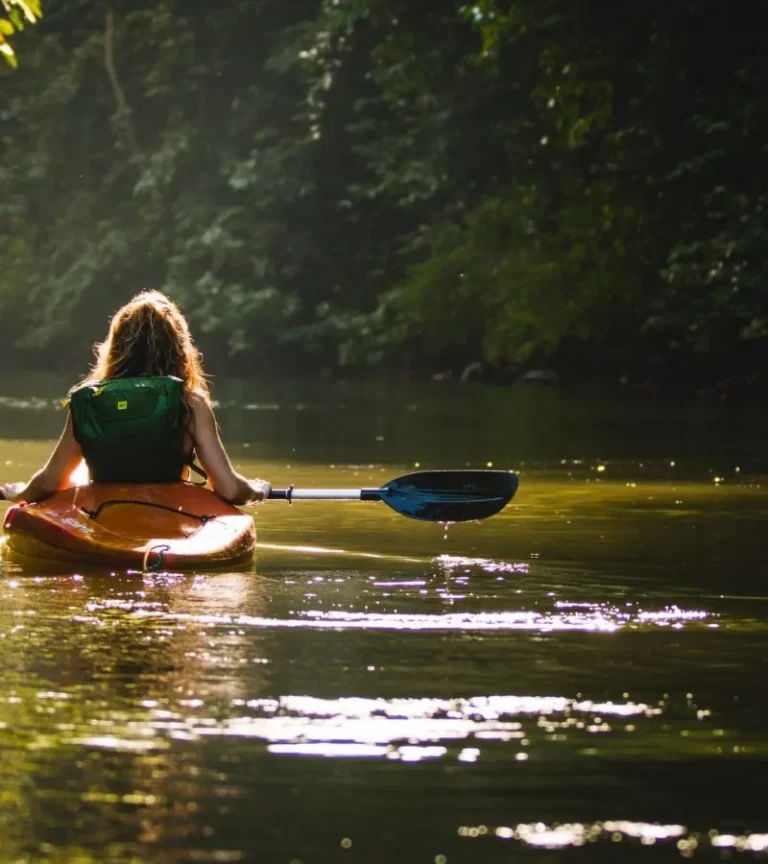 Private Kayak Tour$100 per personSee tour and book →
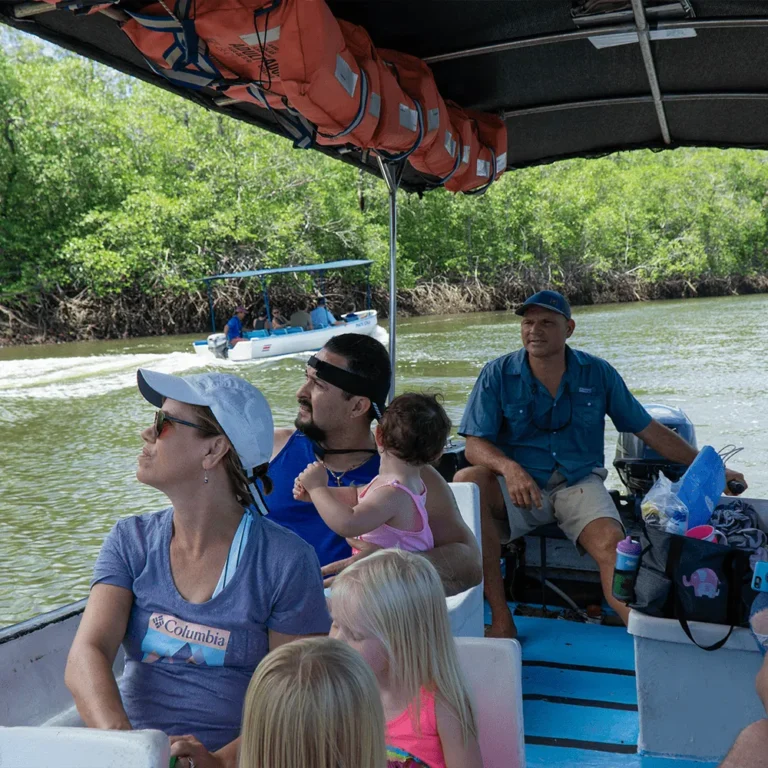 Shared Boat Tour (Mangrove Safari)$40 per personSee tour and book →
 Private Boat Tour · up to 10 people$800 per boatSee tour and book →
Frequently asked questions
Are binoculars included on the estuary tours?
Binoculars are not part of the standard tour equipment, so we recommend bringing your own. Compact 8x or 10x binoculars work well from both the boat and the kayak.
When is the best season for birdwatching in Tamarindo?
Resident birds such as herons and kingfishers can be seen all year. From roughly October to April, migratory birds from North America add more shorebirds, warblers and ospreys, which makes the variety greater.
Can I see roseate spoonbills in the Tamarindo estuary?
Sometimes. Roseate spoonbills visit wetlands and mangroves in Guanacaste, but they are occasional in the Tamarindo estuary rather than a regular sighting. Herons, egrets and kingfishers are much more likely.
Which tour is best for serious birders?
A private tour lets you set the pace and stop longer at each bird. The private kayak tour is the quietest option, and a private boat suits groups with cameras and long lenses.
Can I share my sightings on eBird?
Yes. Many birders keep a checklist during the tour, and your guide can help you confirm species names in English and Spanish.
More Tamarindo guides
- Tamarindo Estuary: Crocodiles, Tides and What to BringPlan your Tamarindo estuary tour: crocodiles, herons and howler monkeys in Las Baulas, why the tide sets the time, what to bring, and boat or kayak prices.
- Boat or Kayak? How to Choose Your Mangrove Tour in TamarindoTamarindo kayak tour or boat tour? Compare shared and private options by effort, wildlife, kids rules, tides and price, from $40 per person.
- Crocodile Tour in Tamarindo: Where and How to See Wild CrocodilesCrocodile tour in Tamarindo: where to see wild American crocodiles, how they behave, safety rules, the best tide and photo tips. Boat tours from $40.
- Tamarindo Mangrove Tour: Why the Mangrove Forest MattersTamarindo mangrove tour guide: the types of mangroves, why they are a nursery for fish and wildlife, and how to explore them by boat or kayak from $40.
- Wildlife in Tamarindo: Animals You Can See and WhereWildlife in Tamarindo: crocodiles, howler monkeys, iguanas, crabs, birds, sloths and sea turtles, with the tour, place and season to see each animal.
- Where to See Monkeys in TamarindoWhere to see monkeys in Tamarindo: howler monkeys in the Las Baulas dry forest, best time of day, how to watch them respectfully and which tours go there.