Few animals make visitors as curious, or as nervous, as crocodiles. Many Americans have seen alligators in Florida ponds and canals; in Costa Rica they hear about the famous crocodile bridge and wonder whether crocodiles share the beach with surfers. Our boat captains hear these questions on almost every trip, so this page answers them for the whole country: where crocodiles in Costa Rica live, how safe the beaches are and the best way to see one up close.
Short answer: crocodiles in Costa Rica are American crocodiles, found in rivers, estuaries, lagoons and mangroves on both coasts. They tolerate salt water and are occasionally seen near river mouths, but they live mainly in estuaries and rivers, not in the open surf. Costa Rica has no alligators. The safest way to see crocodiles is a guided boat tour, such as the Tamarindo estuary tour from $40 per person.
Crocodiles in Costa Rica: where they live
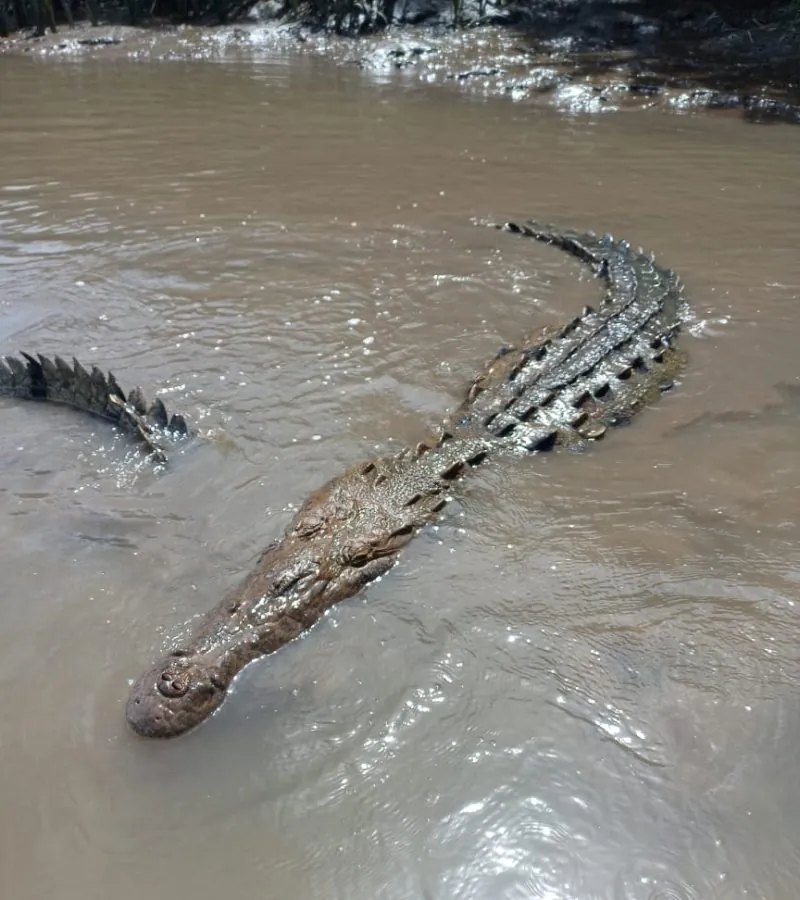
The American crocodile is the largest reptile in the country, and it lives in lowland waters on both the Pacific and the Caribbean sides. It prefers calm, brackish water where rivers meet the sea, which is why estuaries and mangroves hold so many of them.
- Central Pacific: the Tárcoles River is famous for large crocodiles that rest on its sandbanks, visible from the highway bridge.
- Guanacaste: the Tempisque River basin and the estuaries of the North Pacific coast, including the Tamarindo estuary inside Las Baulas Marine National Park.
- South Pacific and Caribbean: rivers, lagoons and mangroves, where crocodiles share some waters with the smaller spectacled caiman.
Crocodiles live in Costa Rica all year. There is no crocodile season; what changes is where they rest as the water level rises and falls. For the biology of the species, from size and diet to nesting, read our page of American crocodile facts.
Crocodiles or alligators in Costa Rica?
There are no alligators in Costa Rica. The American alligator lives in the southeastern United States, and the only other alligator species lives in China. The American crocodile, on the other hand, also reaches the tip of South Florida, so some Floridians may already know it. In Costa Rica you will see one of two reptiles:
- The American crocodile: large, with a long, narrow snout and lower teeth that show when the mouth is closed. It tolerates salt water.
- The spectacled caiman: smaller, usually under about 2 meters (6.5 feet), with a broader snout and a bony ridge between the eyes. It prefers fresh water.
A quick tip if you know alligators: an alligator has a broad, rounded snout, while the American crocodile has a narrower, pointed one. In the brackish Tamarindo estuary, the reptile you see is the American crocodile.
Are there crocodiles in the ocean in Costa Rica?
This is the question we hear most from surfers and families. The American crocodile has glands on its tongue that release excess salt, so it can live in brackish water and even swim along the coast from one estuary to another. That is why a crocodile is occasionally seen at a river mouth or, more rarely, close to a beach.
Still, the ocean is not its home. Crocodiles need fresh water to drink and calm water to rest and hunt, so they stay mostly in estuaries, rivers and lagoons. Sightings in the surf are unusual, and they surprise locals as much as visitors.
Beach and river safety
- Do not swim in estuaries, river mouths or lagoons, anywhere in Costa Rica.
- Take extra care at dusk and at night, when crocodiles are most active.
- Respect warning signs, and ask locals or your hotel before swimming at an unfamiliar beach.
- Keep children and pets away from the water edge near rivers and mangroves.
- Never feed crocodiles or throw fish scraps into the water. It teaches them to approach people, and it is prohibited.
In Tamarindo, the place to avoid swimming is the river mouth at the north end of the beach. Our guide on whether Tamarindo is safe covers this and other practical tips.
Crocodile bridge vs a Tamarindo crocodile tour
The crocodile bridge over the Tárcoles River, on the coastal highway of the Central Pacific, is a popular roadside stop. You park, walk onto the bridge and look down at crocodiles resting on the sandbanks below. It is quick and impressive, but you see the animals from high above and only for a few minutes, and it is several hours by road from Guanacaste.
A guided boat tour is a different experience:
- From the water: you watch crocodiles from the boat, at a respectful distance, instead of from a bridge above.
- With a guide: a local naturalist explains their behavior and spots animals you would miss.
- More than crocodiles: herons, iguanas, mangroves and, on our tour, a short dry-forest walk with howler monkeys.
- Close to your hotel: if you are staying in Guanacaste, the Tamarindo estuary is a few minutes from town.
If your trip covers both regions, you do not have to choose: the bridge is a good stop on a drive, and a boat tour is where you actually spend time with the animals. Our crocodile tour Tamarindo guide explains the best tide, safety on board and photo tips.
Where to see crocodiles near Tamarindo
The Tamarindo estuary, where the river meets the Pacific, is part of Las Baulas Marine National Park, and crocodiles live there all year. Our guides know the muddy banks where they usually rest, and on morning tides they often find them basking in the first sun. Boat tours leave with the high tide, so the departure time changes every day and we confirm it by WhatsApp after you book.
- Tamarindo estuary tour (shared boat): $40 per person, 2 hours, minimum 2 people, children 2 and under free. Includes a bilingual guide, bottled water, seasonal fruit and pickup from Tamarindo or Langosta. Deposit of $15 per person.
- Private boat tour in Tamarindo: $800 per boat for up to 10 people, or $1,200 for up to 16, 2 hours, with a bilingual naturalist guide, coconut water and beers if you like. Ideal for photographers who want more time with each crocodile.
Sightings are frequent but, as with any wild animal, they cannot be guaranteed. Kayak tours also enter the mangrove, although the boat is the better option for crocodiles; compare both in our guide to Costa Rica mangrove tours.
Want to see crocodiles in Costa Rica the safe way? Book the crocodile tour in Tamarindo with Tamarindo Estuary Tours Mi Rey online with a $15 deposit per person and pay the balance on the day of the tour, or write to us on WhatsApp to ask about the tide on your date.
Book these tours
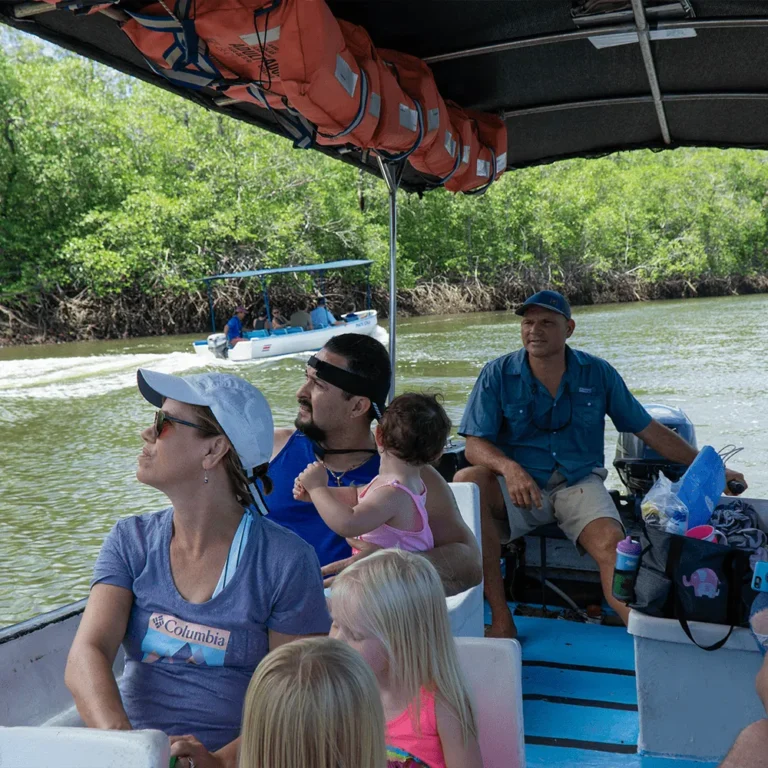 Shared Boat Tour (Mangrove Safari)$40 per personSee tour and book →
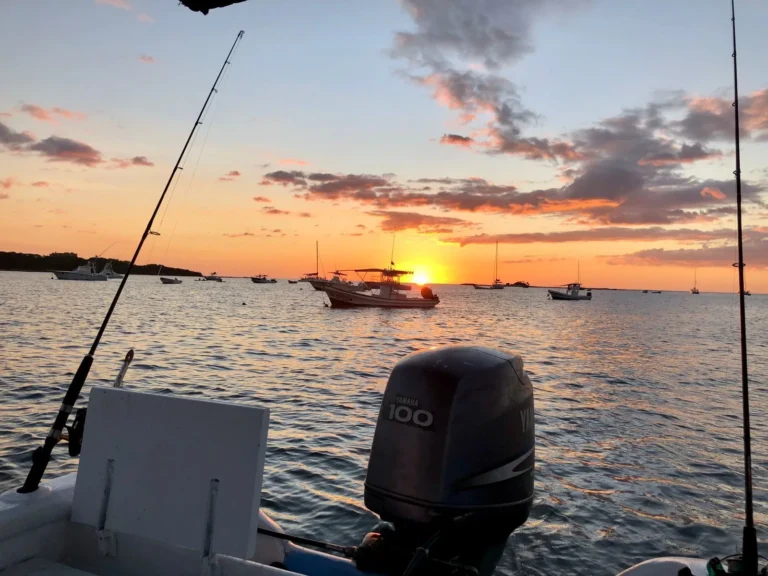 Private Boat Tour · up to 10 people$800 per boatSee tour and book →
 Private Boat Tour · up to 16 people$1,200 per boatSee tour and book →
Frequently asked questions
Are there crocodiles in Costa Rica?
Yes. The American crocodile lives all year in rivers, estuaries, lagoons and mangroves on both coasts of Costa Rica. The smaller spectacled caiman lives mainly in fresh water.
Are there alligators in Costa Rica?
No. Alligators live only in the southeastern United States and in China. The reptiles in Costa Rica are the American crocodile and the spectacled caiman.
Are there crocodiles in the ocean in Costa Rica?
The American crocodile tolerates salt water and is occasionally seen at river mouths or near beaches, but it lives mainly in estuaries, rivers and lagoons. Sightings in the open surf are unusual.
Is it safe to swim at beaches in Costa Rica because of crocodiles?
Most swimming beaches are not crocodile habitat, but you should never swim in estuaries, river mouths or lagoons, especially at dusk or at night. Follow warning signs and ask locals before swimming at an unfamiliar beach.
Is the crocodile bridge or a crocodile boat tour better?
The bridge over the Tárcoles River is a short roadside stop in the Central Pacific where you look down at crocodiles from above. A guided boat tour, like ours in the Tamarindo estuary, lets you watch them from the water with a guide, along with birds, iguanas and mangroves.
More Tamarindo guides
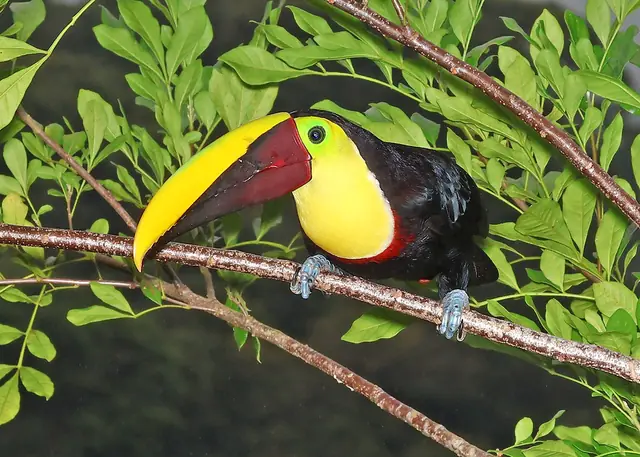 Costa Rica & GuanacasteCosta Rica Tours: Types by Region, How to Choose and Our Tours from TamarindoCosta Rica tours explained: main types by region, how to choose, booking direct vs packages, and our 13 tours from Tamarindo with real prices from $40.
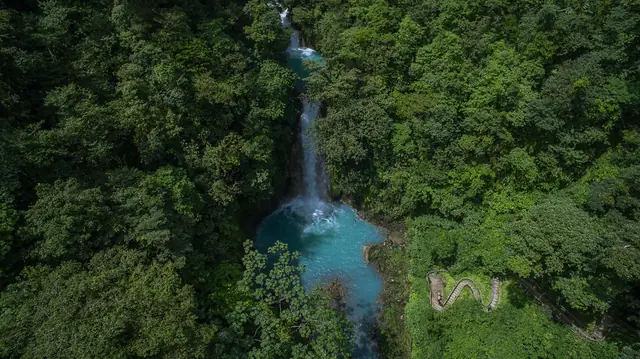 Costa Rica & GuanacasteThings to Do in Costa Rica: The Essentials and the Best of GuanacasteThings to do in Costa Rica: the essential experiences, ideas by month, with kids or for adults, and the best of Guanacaste with local tours from Tamarindo.
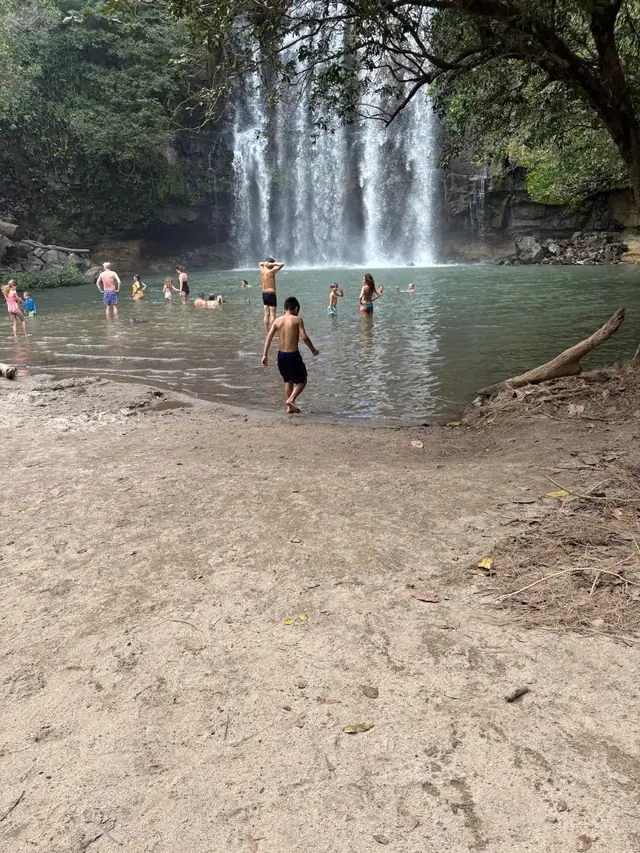 Costa Rica & GuanacasteThings to Do in Guanacaste, Costa Rica: A Local Operator’s GuideThings to do in Guanacaste, Costa Rica: wildlife, volcanoes, waterfalls, beaches, turtles and culture, with kids or as a couple, plus tours from Tamarindo.
 Costa Rica & GuanacastePlaces to Visit in Guanacaste: National Parks, Beaches and TownsPlaces to visit in Guanacaste, Costa Rica: Rincón de la Vieja, Santa Rosa, Palo Verde, Las Baulas, Ostional, the best beaches and towns like Liberia and Nicoya.
 Costa Rica & GuanacasteBest Time to Visit Costa Rica: A Pacific Coast Guide by Season and GoalBest time to visit Costa Rica from Guanacaste: dry season vs green season and the best months for beaches, wildlife, sea turtles and a trip with kids.
 Costa Rica & GuanacasteCosta Rica Itinerary 10 Days: Volcanoes, Wildlife and a Guanacaste Beach BaseCosta Rica itinerary 10 days: a realistic route with a volcano region and six nights in Tamarindo, a 7-day Guanacaste version, tour prices and tips.