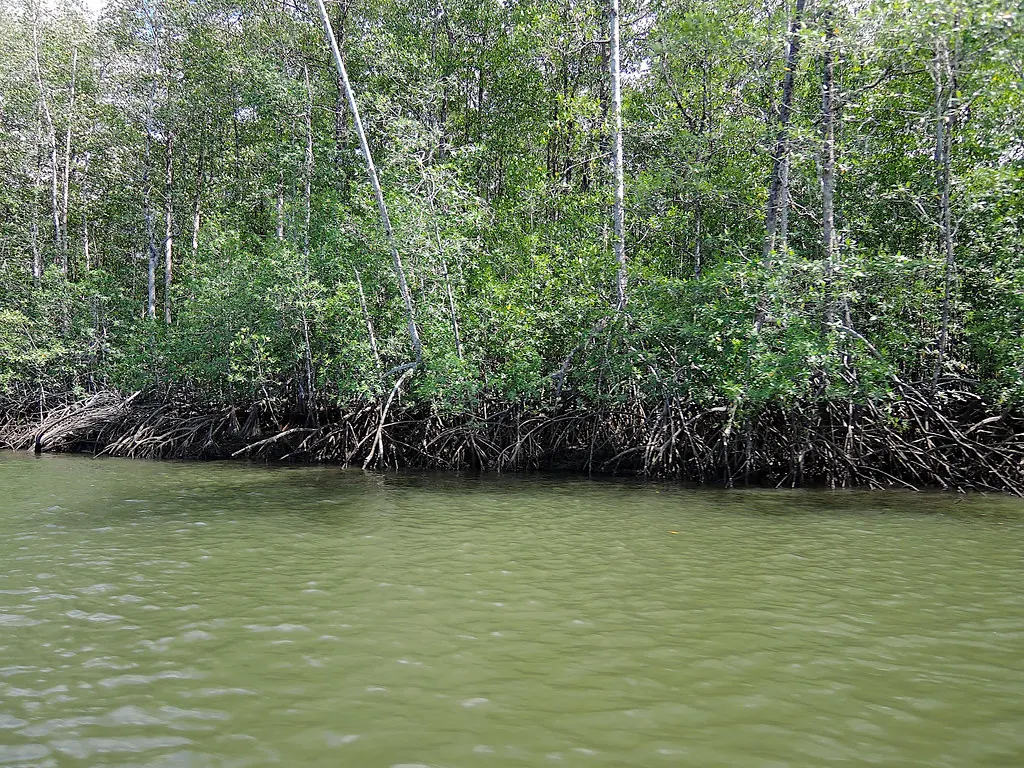
From the road, a mangrove forest looks quiet. From the water, it is one of the busiest places in Costa Rica: crabs on every root, herons hunting along the banks, crocodiles resting in the mud and young fish sheltering below. A Costa Rica mangrove tour is how most travelers get inside that world, and the choice between a boat and a kayak shapes the whole experience. We run both in Tamarindo every week, so here is how to choose.
Short answer: a Costa Rica mangrove tour is a guided trip by boat or kayak through the channels of an estuary, timed with the high tide. Choose a boat for comfort, distance covered and crocodiles; choose a kayak for quiet, close-up views and exercise. In Guanacaste, Tamarindo Estuary Tours Mi Rey offers a 2-hour mangrove boat tour for $40 per person and a kayak tour for $60 per person.
Where are the mangroves in Costa Rica?
Most of the mangrove forests of Costa Rica grow on the Pacific coast, where rivers meet the ocean in wide estuaries and gulfs and the tide rises and falls a lot. The Térraba-Sierpe wetland in the South Pacific is often described as the largest mangrove area in the country, and the Gulf of Nicoya is lined with mangroves along much of its shore. On the North Pacific, Guanacaste has smaller estuaries close to the beach towns, which makes them easy to visit in half a day.
The Tamarindo estuary is one of them. Its mangroves are protected inside Las Baulas Marine National Park and begin a few minutes from the center of town. For a closer look at this local forest, see our Tamarindo mangrove tour guide.
Mangrove boat tour or kayak: how to choose
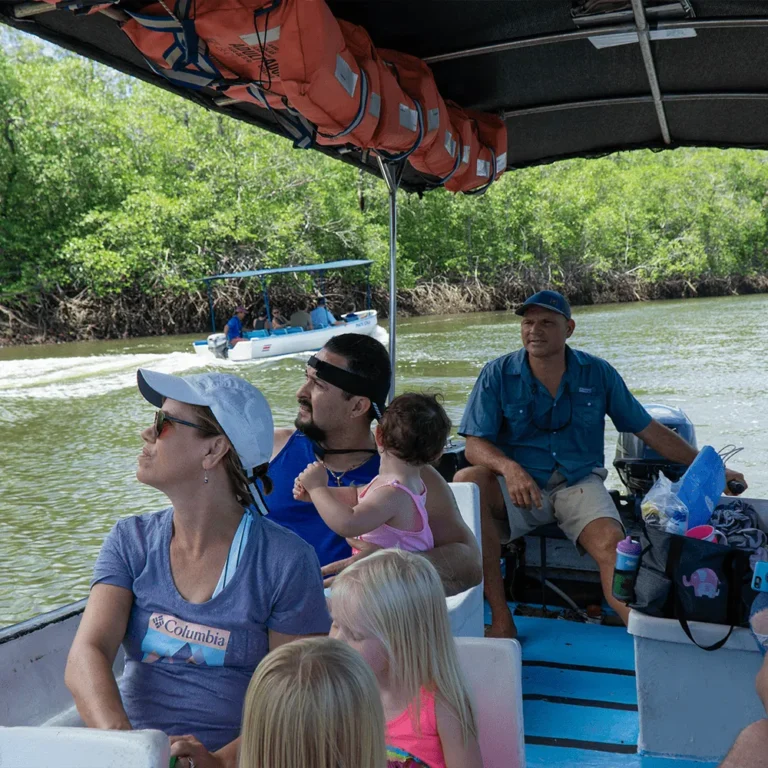
Mangrove boat tour
- Best for: families with young children, seniors, photographers and anyone who prefers to sit back.
- Wildlife: the best chance to see crocodiles, because the boat covers more of the estuary and keeps a stable, safe distance.
- Effort: none. You stay seated and the guide does the spotting.
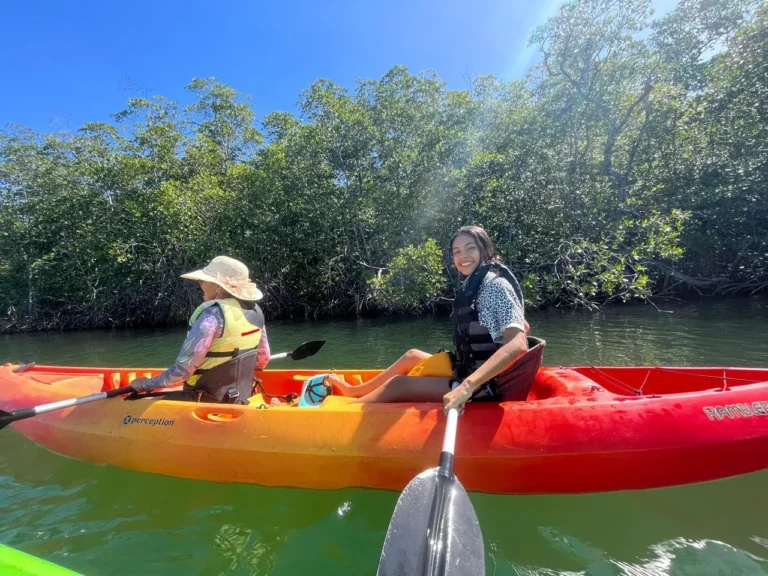
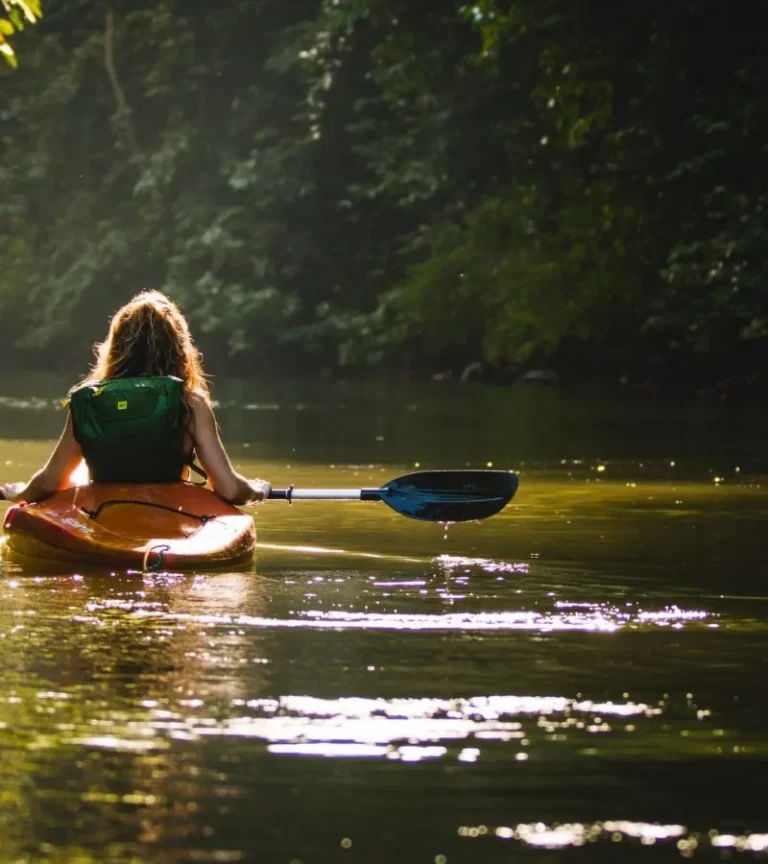
Kayaking mangroves in Costa Rica
- Best for: active travelers, couples and birders who enjoy silence.
- Wildlife: closer views of roots, crabs, birds and iguanas, with less focus on crocodiles.
- Effort: moderate. Good tours are timed so the incoming tide helps you paddle in, and first-time paddlers usually manage well in the sheltered channels.
If paddling is your priority, our guide to Costa Rica kayak tours covers more options and tips.
Why the tide decides your tour time
On the Pacific coast the sea rises and falls twice a day, and mangrove channels that are deep at high tide can become mud flats a few hours later. That is why good mangrove tours do not run on a fixed daily schedule: they leave with the high tide, which arrives a little later each day.
- Expect a confirmed time after booking. We confirm our departure time by WhatsApp once you reserve.
- Morning tides bring softer light and cooler air, which our guides like for birds and basking crocodiles.
- Afternoon tides in the rainy season can bring showers; light rain does not usually stop the tour.
- A tour that ignores the tide often stays in the main channel and misses the narrow side channels where the mangrove feels wildest.
Our guide to Tamarindo tides explains the pattern in more detail.
What you see on a mangrove tour
- The trees themselves: red mangrove on stilt-like roots at the water edge, black mangrove with pencil roots in the mud, and white mangrove and buttonwood on firmer ground.
- Reptiles: American crocodiles on the banks and green iguanas on the branches above the water.
- Birds: herons, egrets, kingfishers and hawks, with migratory shorebirds arriving later in the year.
- Small life: crabs climbing the roots, fish in the shallows and, at the forest edge, howler monkeys and squirrels.
Learn to tell the trees apart in our guide to the mangrove trees of Tamarindo.
Costa Rica mangrove tour: how to choose a good one
- Ask how the schedule works. A tour timed with the tide is a good sign.
- Check what is included: guide, water, life jackets and a dry bag on kayaks, and transportation.
- Ask about group size and whether a private option exists.
- Look for respect for wildlife: no feeding, no chasing animals and a quiet approach near them.
- Read recent Google reviews from travelers who did the same tour.
What to wear and bring
- Light clothes that can get wet, water shoes, a hat and sunglasses.
- Repellent and sunblock, applied before boarding, not over the water.
- A phone or camera with zoom. On our kayak tours, a dry bag is included for your phone and keys.
Mosquitoes can be present in the mangrove, especially on calm days in the rainy season, so repellent is worth packing.
Mangrove tours in Tamarindo, Guanacaste
- Tamarindo mangrove tour by boat: $40 per person, 2 hours, minimum 2 people, children 2 and under free. Bilingual guide, bottled water, seasonal fruit and pickup from Tamarindo or Langosta included, plus a short walk in the dry forest.
- Kayak mangrove Tamarindo tour: $60 per person, 2 to 2.5 hours, minimum 2 people. Kayak, paddles, life jackets, dry bag, bilingual guide, water, fruit and transportation in the Tamarindo area.
- Private kayak tour: $100 per person, about 2.5 hours, with your own bilingual guide and coconut water.
- Private boat: $800 per boat for up to 10 people or $1,200 for up to 16, 2 hours.
Online you pay only the deposit; the balance is paid on the day of the tour. Farther areas pay an extra transportation cost to the driver.
Ready for your Costa Rica mangrove tour? Book the Tamarindo boat tour or the kayak tour online with Tamarindo Estuary Tours Mi Rey with a $15 deposit per person, or write to us on WhatsApp and we will help you choose according to the tide on your date.
Book these tours
 Shared Boat Tour (Mangrove Safari)$40 per personSee tour and book →
 Shared Kayak Tour$60 per personSee tour and book →
 Private Kayak Tour$100 per personSee tour and book →
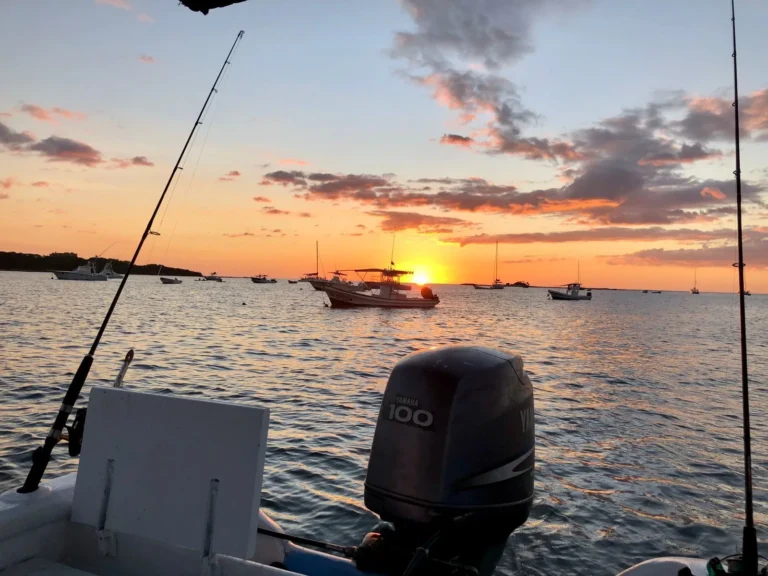 Private Boat Tour · up to 10 people$800 per boatSee tour and book →
Frequently asked questions
What is a Costa Rica mangrove tour?
It is a guided trip by boat or kayak through the channels of an estuary lined with mangrove forest. On the Pacific coast it is timed with the high tide, and the guide shows you the trees, birds, reptiles and crabs that live there.
Is a mangrove boat tour or a kayak tour better?
Choose the boat for comfort, more distance covered and the best chance to see crocodiles; it suits families and seniors. Choose the kayak for a quiet, close-up experience with some exercise.
Do I need experience for kayaking mangroves in Costa Rica?
Not on a guided tour like ours: you receive a kayak, paddles, a life jacket and a dry bag, and the tour is timed with the tide so the current helps you. Basic fitness and comfort on the water are enough for most people.
When is the best time for a mangrove tour in Costa Rica?
Mangrove tours run all year. The dry season brings sunny days, the rainy season brings a greener forest and occasional showers, and on any day the high tide sets the departure time.
Will I see crocodiles on a mangrove tour?
In the Tamarindo estuary, crocodiles are seen often, especially from the boat, but no wild animal can be guaranteed. Herons, iguanas and crabs are seen on almost every tour.
More Tamarindo guides
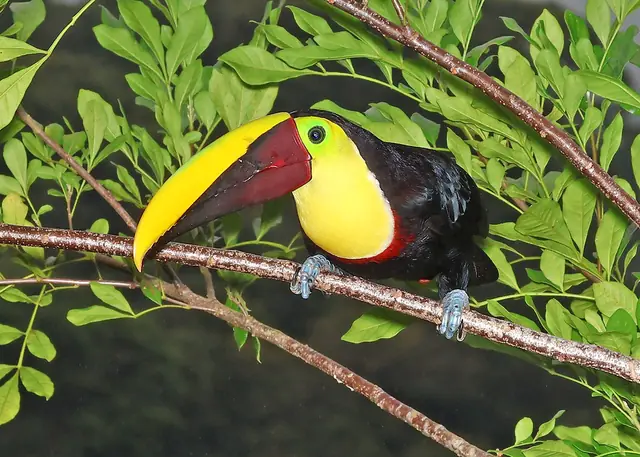 Costa Rica & GuanacasteCosta Rica Tours: Types by Region, How to Choose and Our Tours from TamarindoCosta Rica tours explained: main types by region, how to choose, booking direct vs packages, and our 13 tours from Tamarindo with real prices from $40.
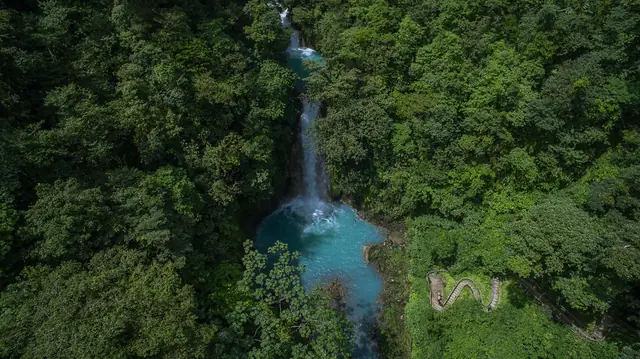 Costa Rica & GuanacasteThings to Do in Costa Rica: The Essentials and the Best of GuanacasteThings to do in Costa Rica: the essential experiences, ideas by month, with kids or for adults, and the best of Guanacaste with local tours from Tamarindo.
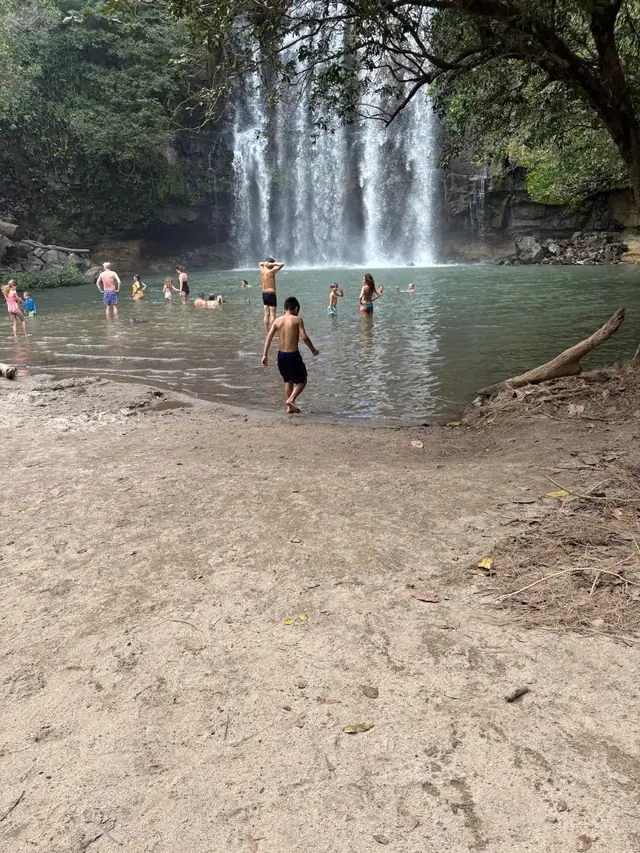 Costa Rica & GuanacasteThings to Do in Guanacaste, Costa Rica: A Local Operator’s GuideThings to do in Guanacaste, Costa Rica: wildlife, volcanoes, waterfalls, beaches, turtles and culture, with kids or as a couple, plus tours from Tamarindo.
 Costa Rica & GuanacastePlaces to Visit in Guanacaste: National Parks, Beaches and TownsPlaces to visit in Guanacaste, Costa Rica: Rincón de la Vieja, Santa Rosa, Palo Verde, Las Baulas, Ostional, the best beaches and towns like Liberia and Nicoya.
 Costa Rica & GuanacasteBest Time to Visit Costa Rica: A Pacific Coast Guide by Season and GoalBest time to visit Costa Rica from Guanacaste: dry season vs green season and the best months for beaches, wildlife, sea turtles and a trip with kids.
 Costa Rica & GuanacasteCosta Rica Itinerary 10 Days: Volcanoes, Wildlife and a Guanacaste Beach BaseCosta Rica itinerary 10 days: a realistic route with a volcano region and six nights in Tamarindo, a 7-day Guanacaste version, tour prices and tips.