
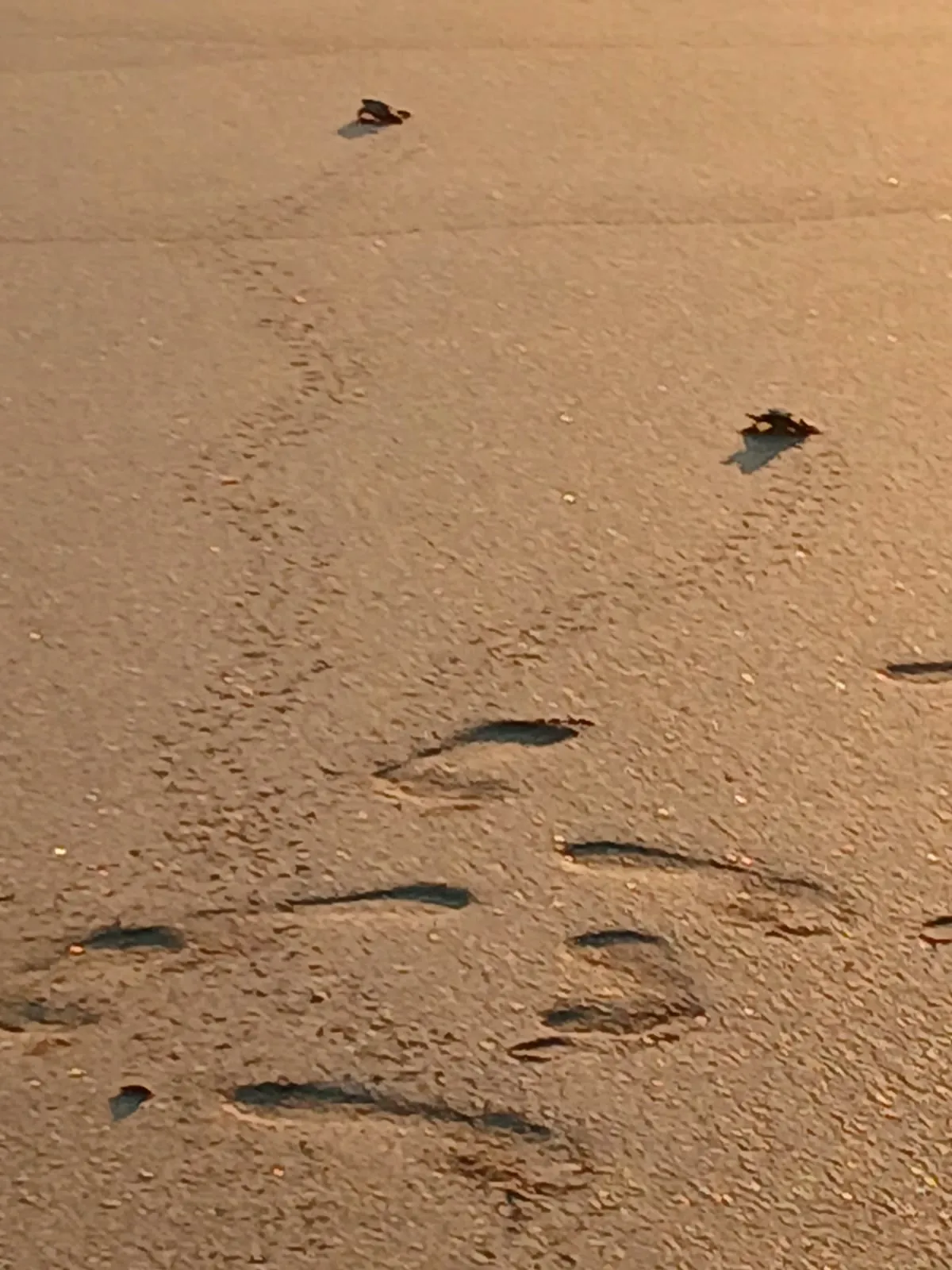
“Is it turtle season?” is one of the first questions we receive on WhatsApp from travelers planning a trip from the United States or Canada. The honest answer is that sea turtles nest somewhere in Costa Rica during most of the year, but not on every beach and not every species at the same time. Understanding the Costa Rica turtle nesting season by coast and by species is what turns a hopeful night on the sand into a realistic plan.
Short answer: on the North Pacific, in Guanacaste, the strongest months are August to December, when olive ridleys nest and Ostional has its largest arribadas (peak September to November). Leatherbacks nest at Playa Grande from October to February or March, but have become rare. On the Caribbean side, green turtles nest roughly from July to October. Hatching follows nesting by about two months, and sightings are never guaranteed.
Costa Rica turtle nesting season at a glance
Several species of sea turtle nest on the beaches of Costa Rica, and each keeps its own calendar. These are the typical ranges:
- Olive ridley (Pacific): nests over much of the year, with the strongest months from August to December. Mass arribadas at Ostional peak from September to November, and smaller ones can happen from May.
- Leatherback (Pacific): October to February or March at Playa Grande, with the most activity in December and January. Seeing one is now a rare event.
- Black turtle, the Pacific form of the green turtle: together with the olive ridley, one of the turtles we see most often on our nesting tour near Tamarindo.
- Green turtle (Caribbean): roughly July to October, the classic season of the northern Caribbean coast.
- Leatherback (Caribbean): earlier in the year, roughly from February or March to June.
- Hawksbill: nests on both coasts in small numbers and is uncommon to see.
Turtles follow the ocean, not a calendar. Seasons can start early, end late or vary in strength from one year to the next, so check current information close to your dates. To recognize each species, read our guide to sea turtles in Costa Rica.
Pacific vs Caribbean: which coast for turtles?
Pacific coast (Guanacaste)
For most visitors who fly into Liberia (LIR), the North Pacific is the natural choice. It is home to Ostional, one of the few places in the world with mass nesting arribadas, and to Las Baulas Marine National Park near Tamarindo, named after the leatherback. Olive ridleys are the most common species, and the busiest months fall in the green, rainy season.
Caribbean coast
The Caribbean side is known for green turtles in summer and early fall, and for leatherbacks earlier in the year. From Guanacaste it means crossing the whole country, a long day of travel, so most travelers choose one coast for turtles rather than trying to do both.
How to choose
- Traveling from August to December and staying in Guanacaste: the Pacific is in its best months.
- Traveling in July or August and ready to cross the country: the Caribbean green turtle season is an option.
- Traveling from January to April: on the Pacific, the leatherback season tapers off and activity is lower, but hatchlings from earlier nests may still emerge.
Costa Rica turtle hatching season
Many families search for the hatching season rather than the nesting season, because watching baby turtles crawl to the sea is a highlight of any trip. The two are linked. The eggs incubate in the sand for roughly 45 to 60 days, depending on the temperature of the sand, so hatching trails nesting by about two months.
- Nests laid during the big arribadas of September to November hatch toward the end of the year.
- Leatherback nests laid from October onward hatch during the dry-season months.
- Hatchlings emerge on their own schedule, usually when the sand is cool, late in the afternoon or at night.
Near Tamarindo, our baby turtle release in Tamarindo works with a turtle conservation project, which decides when and where the hatchlings go to the sea. It is available from November 12, departs at 3:30 pm from Tamarindo and costs $50 per person, with transportation, water and a contribution to the project included.
Turtle season in Costa Rica: what a nesting night looks like
On a nesting night, a female crawls up the beach, clears a pit in the sand with her flippers, digs the nest chamber with her back flippers, lays her eggs, covers them and returns to the sea. Depending on the species, it can take an hour or more. Guides keep visitors behind the turtle and wait for the right moment to approach quietly.
Two rules matter more than any other: no white light and no flash, because light disorients turtles and hatchlings, and no touching turtles, eggs or hatchlings unless the conservation team asks for help.
Turtle tours from Tamarindo
- Tamarindo turtle tour: $60 per person, minimum 2 people, children 2 and under free. Pickup in Tamarindo at 5:30 pm and transportation included. Because the nesting beach of Las Baulas closes during the season to protect the leatherback, we go to Playa Minas or Playa Jesús, where you mostly see olive ridley and black turtles, sometimes hawksbills and, occasionally, leatherbacks. If we do not see turtles, we reschedule for the next night or make it up to you with the estuary tour.
- Ostional arribada tour: $130 per person, minimum 4 people, children 3 and under free. Ostional is about 2 hours south of Tamarindo, and the schedule depends on each arribada. Includes transportation from Tamarindo or Langosta, a bilingual guide, bottled water and seasonal fruit. Read our Ostional arribada guide before you go.
- Sunset and Baby Turtle Release: $50 per person, minimum 2 people, from November 12.
For a month-by-month view of Guanacaste, see the best time to see turtles in Guanacaste.
Planning tips for your turtle trip
- Keep one or two evenings flexible. Nesting and arribadas do not follow a fixed date.
- Expect rain in the best months. The rainy season runs roughly from May to November, and showers usually come in the afternoon or evening.
- Book the Ostional tour early, since it needs a minimum of 4 people.
- Pack for the beach at night: dark clothing, water shoes or tennis shoes, insect repellent and a camera you can use without flash.
- Bring children who can stay calm and quiet on a dark beach; for younger kids, the sunset release is often easier.
Planning your trip around the Costa Rica turtle nesting season? Book the Tamarindo turtle tour online with a $20 deposit per person and pay the balance on the day of the tour, or write to Tamarindo Estuary Tours Mi Rey on WhatsApp and we will tell you what is nesting on your dates.
Book these tours
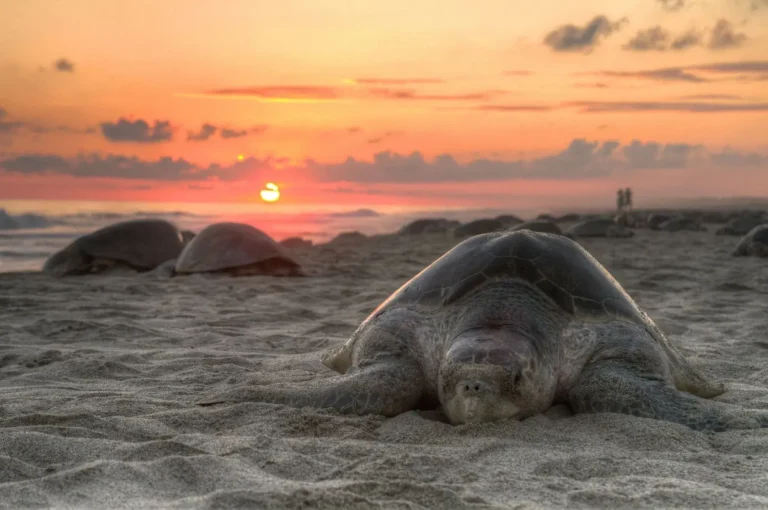 Turtle Nesting Tour$60 per personSee tour and book →
 Ostional Arribada Tour$130 per personSee tour and book →
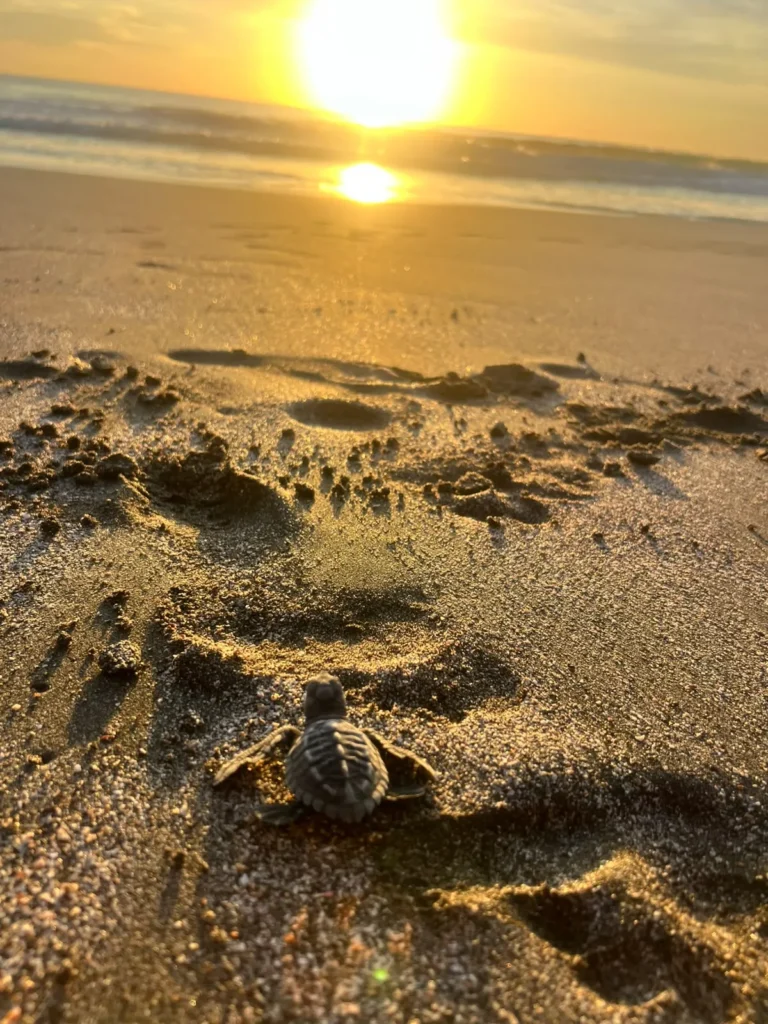 Sunset & Baby Turtle Release$50 per personSee tour and book →
Frequently asked questions
When is the Costa Rica turtle nesting season?
It depends on the coast and the species. In Guanacaste the strongest months are August to December, with Ostional arribadas peaking from September to November and leatherbacks nesting from October to February or March; on the Caribbean, green turtles nest roughly from July to October.
When is turtle hatching season in Costa Rica?
The eggs incubate for roughly 45 to 60 days, so hatchlings appear about two months after the nesting season on each beach. Near Tamarindo, our Sunset and Baby Turtle Release tour is available from November 12.
Which coast is better for turtles, the Pacific or the Caribbean?
Both are excellent in their own seasons. If you fly into Liberia and stay in Guanacaste, the Pacific is far more practical, with the Ostional arribadas and nesting beaches close to Tamarindo.
Can I still see leatherback turtles in Costa Rica?
It is possible but increasingly rare on the Pacific, where the leatherback population nesting at Playa Grande has declined sharply. Our nesting tour sees mostly olive ridley and black turtles and only occasionally a leatherback.
Is turtle season in Guanacaste the same as the rainy season?
Largely, yes. The strongest olive ridley months fall within the rainy season, roughly May to November, when showers usually come in the afternoon or evening and the nights are warm.
More Tamarindo guides
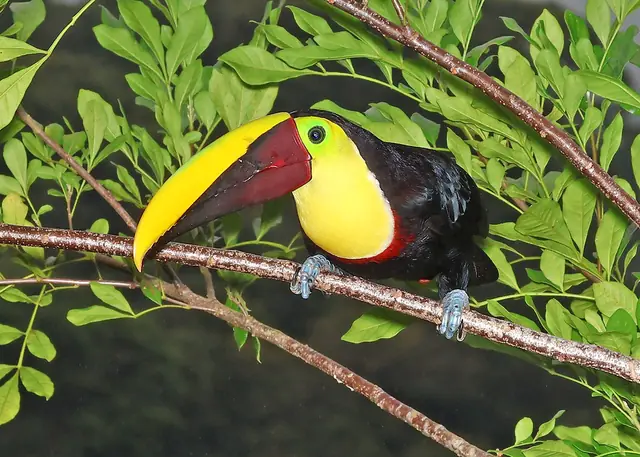 Costa Rica & GuanacasteCosta Rica Tours: Types by Region, How to Choose and Our Tours from TamarindoCosta Rica tours explained: main types by region, how to choose, booking direct vs packages, and our 13 tours from Tamarindo with real prices from $40.
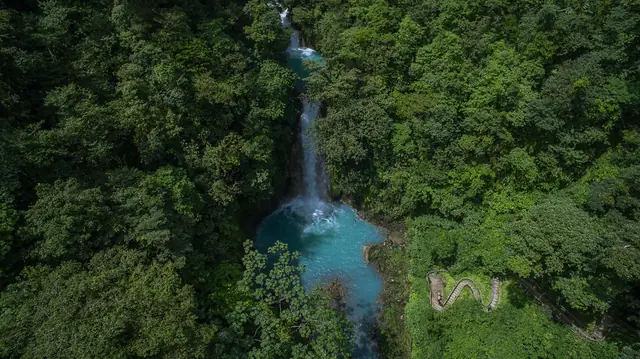 Costa Rica & GuanacasteThings to Do in Costa Rica: The Essentials and the Best of GuanacasteThings to do in Costa Rica: the essential experiences, ideas by month, with kids or for adults, and the best of Guanacaste with local tours from Tamarindo.
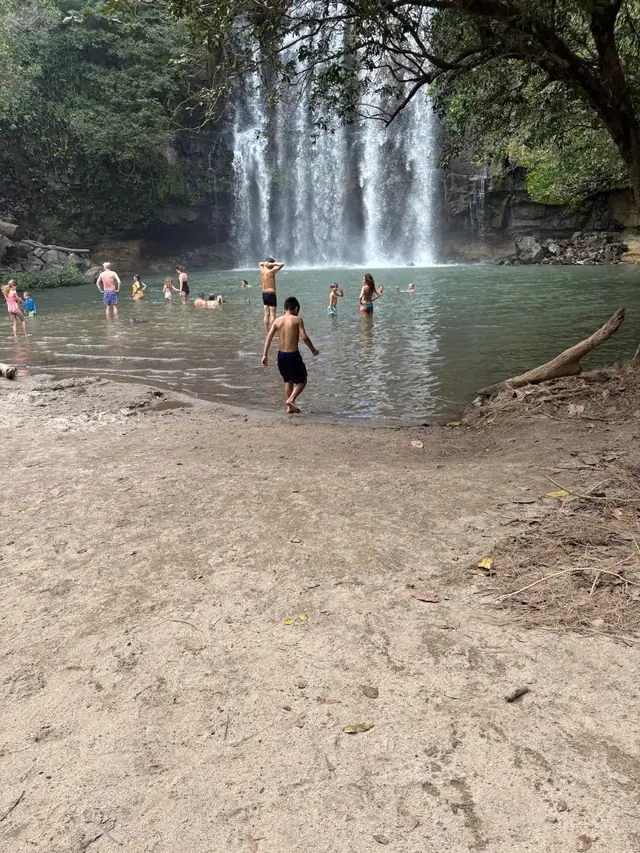 Costa Rica & GuanacasteThings to Do in Guanacaste, Costa Rica: A Local Operator’s GuideThings to do in Guanacaste, Costa Rica: wildlife, volcanoes, waterfalls, beaches, turtles and culture, with kids or as a couple, plus tours from Tamarindo.
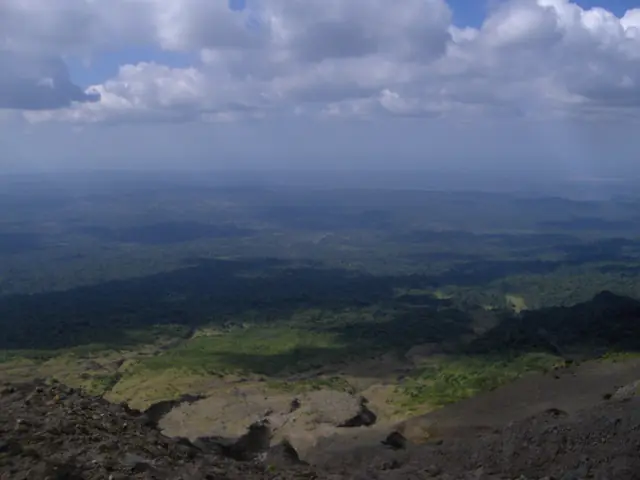 Costa Rica & GuanacastePlaces to Visit in Guanacaste: National Parks, Beaches and TownsPlaces to visit in Guanacaste, Costa Rica: Rincón de la Vieja, Santa Rosa, Palo Verde, Las Baulas, Ostional, the best beaches and towns like Liberia and Nicoya.
 Costa Rica & GuanacasteBest Time to Visit Costa Rica: A Pacific Coast Guide by Season and GoalBest time to visit Costa Rica from Guanacaste: dry season vs green season and the best months for beaches, wildlife, sea turtles and a trip with kids.
 Costa Rica & GuanacasteCosta Rica Itinerary 10 Days: Volcanoes, Wildlife and a Guanacaste Beach BaseCosta Rica itinerary 10 days: a realistic route with a volcano region and six nights in Tamarindo, a 7-day Guanacaste version, tour prices and tips.