
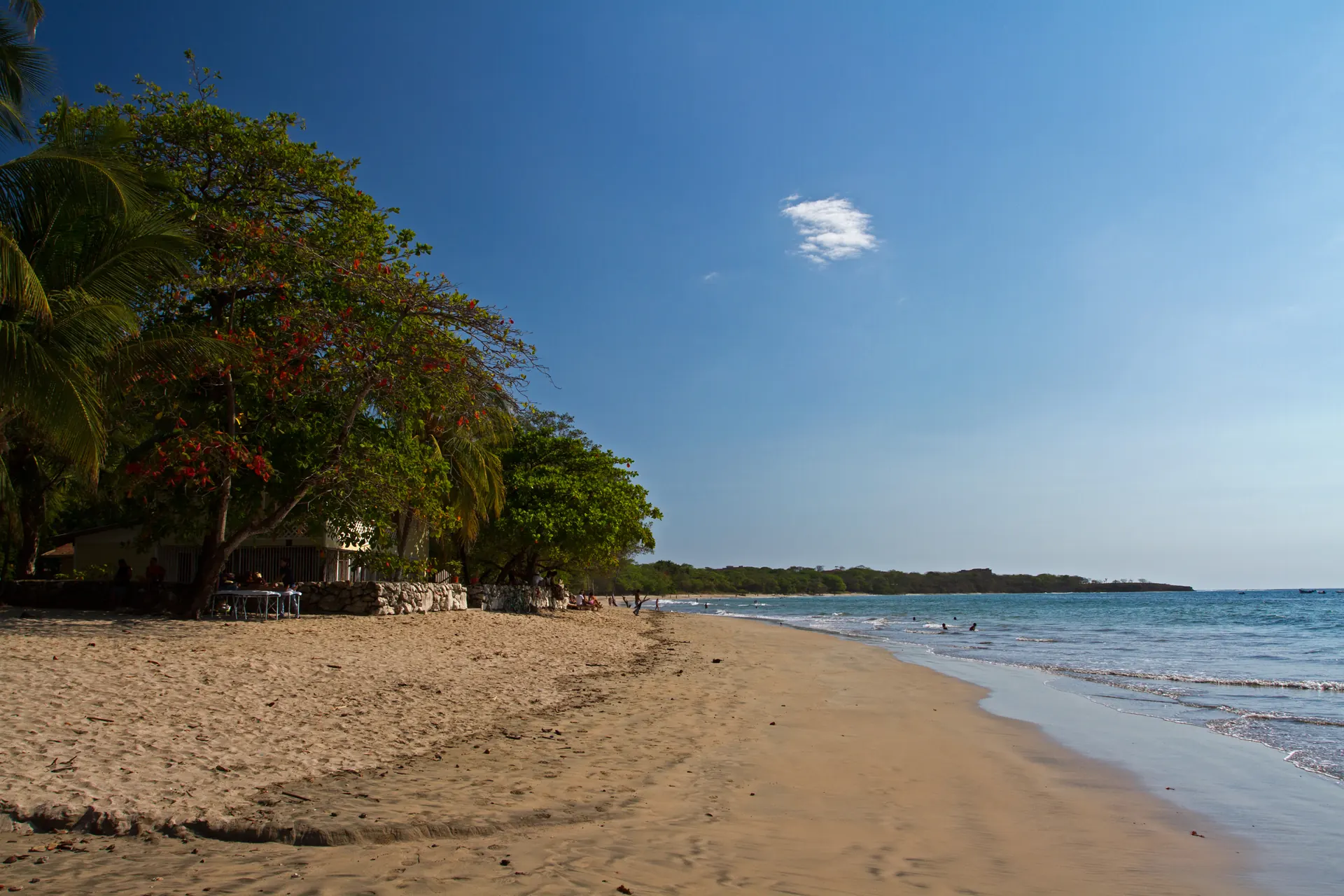
Tamarindo in January is the postcard version of Guanacaste: blue skies, golden light on the mangroves and almost no rain. On the estuary, it is also the month when our boat fills fastest, because holiday travelers and Costa Rican families on school vacation arrive at the same time. This guide shares what we see in January, from the wind and the turtles to the tides that set each tour.
Short answer: Tamarindo in January is dry, sunny and often windy, with hot days and pleasant evenings. It is peak season, so book early. Turtle tours are running, and estuary boat and kayak tours leave every day with the high tide.
Tamarindo weather in January
January sits in the first half of the dry season. Rain is unusual, and most days follow the same rhythm: a clear, warm morning, a hot midday and a breezy afternoon. The dry air makes the heat easier to handle than in the humid months.
The January wind
What really defines January is the wind. Strong afternoon breezes are common early in the year in Guanacaste. On the beach that means fewer bugs and cooler evenings; on the water, the open area near the river mouth can get choppy later in the day.
The landscape
The dry forest is still partly green at the start of the month and drops more leaves each week. Thinner foliage makes howler monkeys easier to spot on the forest walk. Learn why in our guide to the tropical dry forest of Guanacaste.
Crowds and high season in January
Two busy seasons overlap in January:
- International high season. Visitors from North America and Europe escape the winter, all month long.
- Costa Rican school vacation. The school year in Costa Rica usually starts in February, so national families spend January at the beach and weekends fill quickly.
The first days after New Year are the most crowded, and the pace eases slightly from mid-month. Days with a mid-morning high tide sell out first, so reserve a few days ahead if your dates are fixed.
Wildlife and turtles: what our guides see in January
Sea turtles
January is part of the leatherback season at Playa Grande, which runs from October to February or March, with December and January as its strongest months. An honest note: leatherbacks are now rare. Our Tamarindo turtle tour visits Playa Minas or Playa Jesús, where we see mostly olive ridley and black turtles, sometimes hawksbills and only occasionally a leatherback.
Hatchlings from earlier nests may be emerging, which makes January a good month for a baby turtle release in Tamarindo. The number of hatchlings varies each evening. The big Ostional arribadas belong to the second half of the year; see the best time to see turtles in Guanacaste.
Birds, crocodiles and monkeys
Migratory birds from North America are here from roughly October to April, adding shorebirds, warblers and ospreys to the resident herons and kingfishers. Crocodiles and iguanas live in the estuary all year. Sightings are frequent but never guaranteed.
Tamarindo estuary tour in January: tides and timing
Boat and kayak tours leave with the high tide, when the mangrove channels are deep enough to enter. The tide arrives about 50 minutes later each day, so your departure moves through the week. In January:
- Morning tides are the most pleasant: soft light, lower heat and calm water before the wind, ideal for the Tamarindo kayak tour.
- Afternoon tides still run normally on the boat, with more breeze and warmer light.
We confirm your exact time by WhatsApp after you book. Our guide to the Tamarindo tide schedule explains the pattern.
What to pack for Tamarindo in January
- A hat that stays on in the wind, sunglasses and strong sunblock
- A light long-sleeved layer for breezy evenings and the turtle night
- Water shoes for the estuary and dark clothing for the nesting tour
- Repellent for dusk, even though bugs are fewer in the dry season
- Cash in US dollars or colones for tour balances
Best tours in Tamarindo in January
- Tamarindo boat tour (shared): $40 per person, 2 hours, minimum 2 people, children 2 and under free. Crocodiles, herons, migratory birds and a dry-forest walk.
- Turtle Nesting Tour: $60 per person, minimum 2 people, pickup in Tamarindo at 5:30 pm. If we do not see turtles, we reschedule or make it up to you with the estuary tour.
- Sunset and Baby Turtle Release: $50 per person, minimum 2 people, departure at 3:30 pm. A late-afternoon plan that suits families.
- Shared kayak tour: $60 per person, 2 to 2.5 hours, minimum 2 people. Best on a morning tide.
Planning your January week, step by step
- Book lodging and tours early, especially for the first week of the year.
- Ask us which day has a morning high tide and put the boat or kayak tour there.
- Place the turtle night on a day without an early start the next morning.
- Keep windy afternoons for the beach, a long lunch or the turtle release.
Arriving later in the season? Compare with Tamarindo in February.
January is beautiful and busy, and a little planning goes a long way. Book with Tamarindo Estuary Tours Mi Rey online with the deposit and pay the balance on the tour day, or write to us on WhatsApp and we will check the tides and turtle activity for your dates.
Book these tours
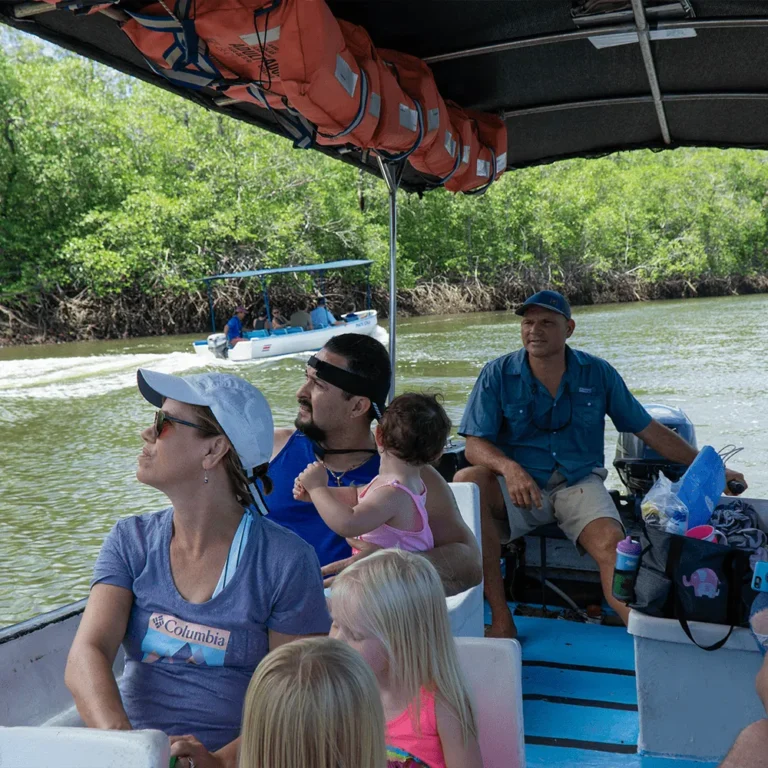 Shared Boat Tour (Mangrove Safari)$40 per personSee tour and book →
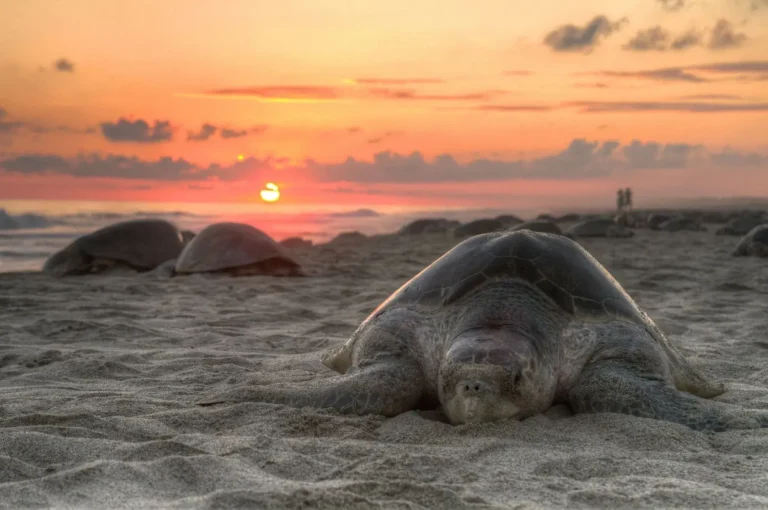 Turtle Nesting Tour$60 per personSee tour and book →
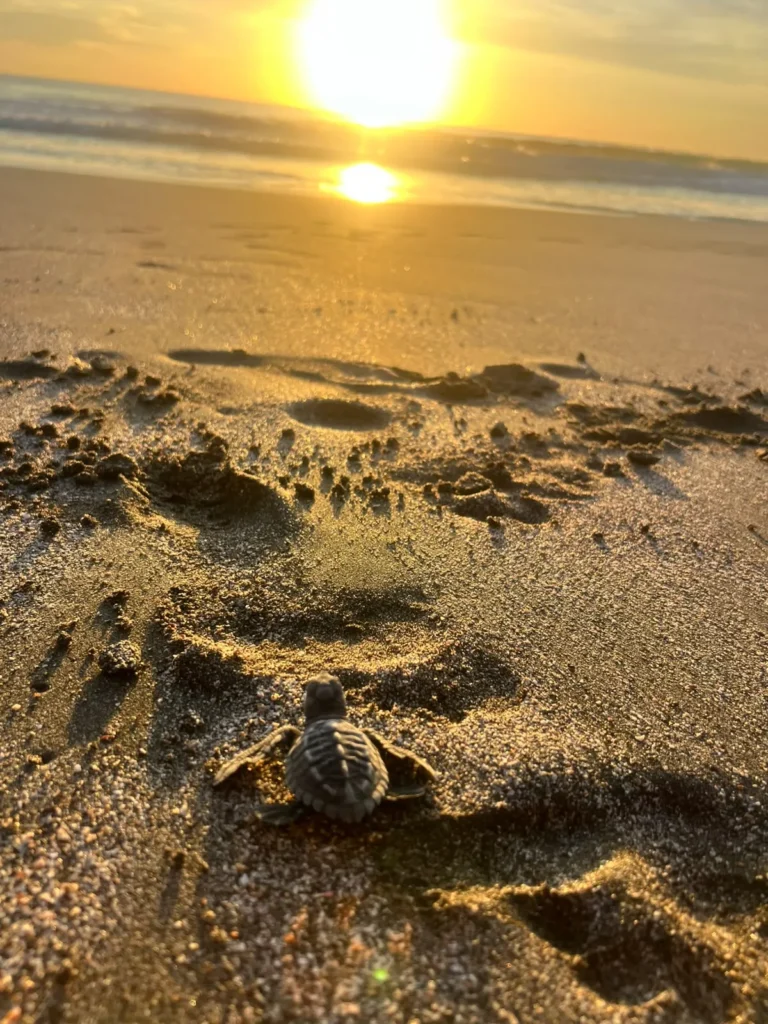 Sunset & Baby Turtle Release$50 per personSee tour and book →
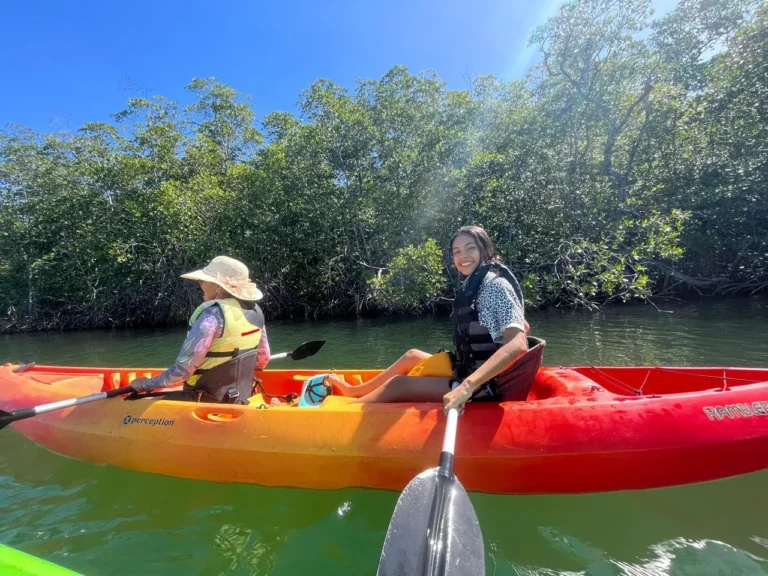 Shared Kayak Tour$60 per personSee tour and book →
Frequently asked questions
What is the weather like in Tamarindo in January?
January is in the heart of the dry season, with sunny days, very little rain and hot middays. Strong afternoon wind is common early in the year, and evenings are pleasant.
Is January high season in Tamarindo?
Yes, it is one of the busiest months. International visitors come during the northern winter, and Costa Rican families travel because January falls within the school vacation in Costa Rica, so book tours a few days ahead.
Can I do a turtle tour in Tamarindo in January?
Yes. January is part of the leatherback season, although leatherbacks are now rare, and our night nesting tour sees mostly olive ridley and black turtles. Hatchlings from earlier nests may also be emerging, so it is a good month for a baby turtle release.
Does the wind affect the kayak tour in January?
It can, mostly in the afternoon near the open water of the river mouth. A morning high tide is the most comfortable for kayaking in January, and if conditions are unsafe we offer another date or a refund.
What time does the estuary boat tour leave in January?
Boat and kayak tours leave with the high tide, which arrives about 50 minutes later each day, so the time changes daily. We confirm the exact departure by WhatsApp after you book.
More Tamarindo guides
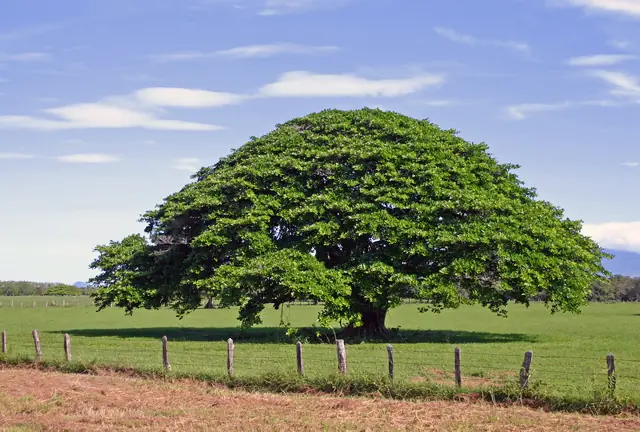 Tamarindo month by monthTamarindo in February: Dry Skies, Clear Nights and the Best ToursTamarindo in February: one of the driest months, fewer local crowds once schools reopen, turtles, monkeys in the bare dry forest and the tours that fit best.
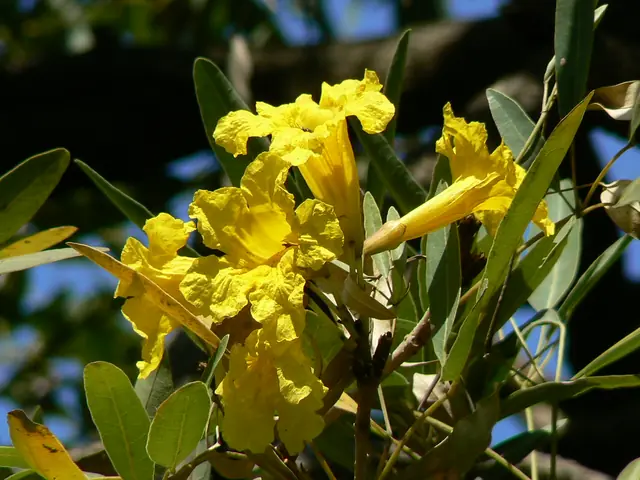 Tamarindo month by monthTamarindo in March: Heat, Easter Week Crowds and the Best ToursTamarindo in March: hot and very dry, Easter week (Semana Santa) and spring break crowds, nesting iguanas and crocodiles, tides and the best tours to book.
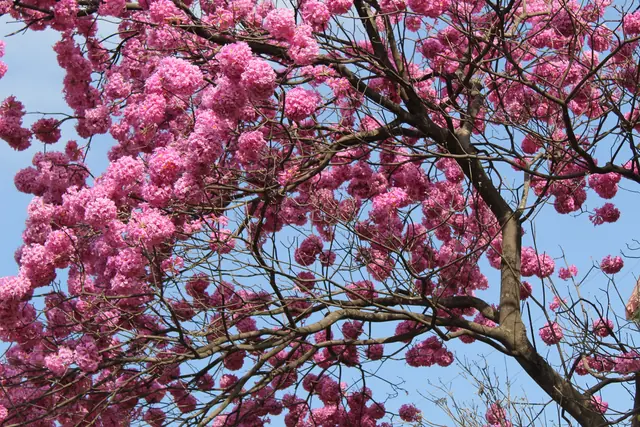 Tamarindo month by monthTamarindo in April: The Hottest Month, Quieter Beaches and Smart ToursTamarindo in April: the hottest end of the dry season, quieter weeks after Easter, first rains, wildlife in the bare forest and tours timed to beat the heat.
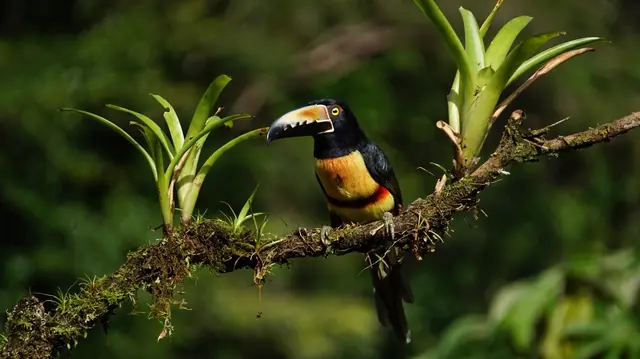 Tamarindo month by monthTamarindo in May: First Rains, Green Hills and the Start of Turtle SeasonTamarindo in May: the first rains turn the dry forest green, low season brings quiet tours, olive ridley nesting increases and small Ostional arribadas begin.
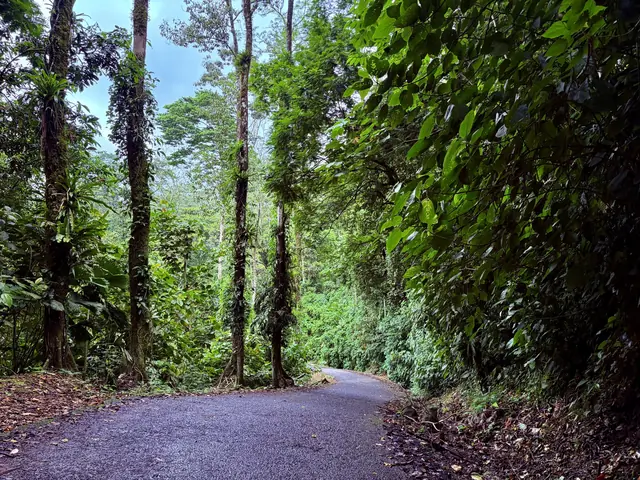 Tamarindo month by monthTamarindo in June: Green Season, Fuller Waterfalls and Turtle NightsTamarindo in June: bright mornings and afternoon storms, a lush green estuary, waterfalls filling up, olive ridley nesting and quiet tours before July.
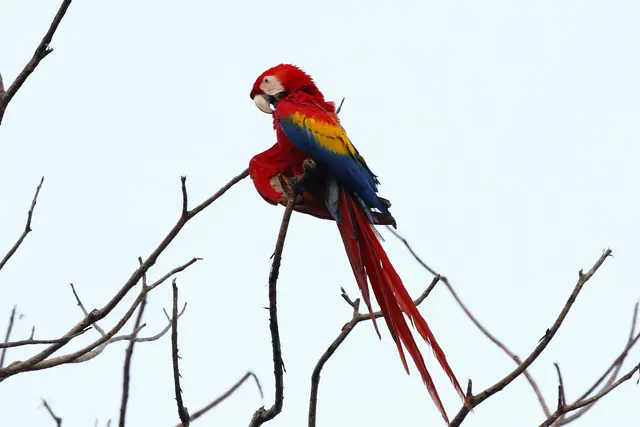 Tamarindo month by monthTamarindo in July: Veranillo Weather, Holidays and Best ToursTamarindo in July: the veranillo dry spell, school holidays and Guanacaste Day, turtle nesting, how rain and tides shape tours and what to pack.