A Tamarindo mangrove tour takes you into one of the most productive ecosystems on the Pacific coast of Costa Rica, just a few minutes from the beach. The mangrove forest lines the channels of the Tamarindo estuary inside Las Baulas Marine National Park. This guide explains what a mangrove is, which types grow here, why they matter for fish, birds and the coast, and how to experience them by boat or kayak.
Short answer: you can explore the Tamarindo mangroves on a guided boat tour ($40 per person, 2 hours) or a kayak tour ($60 per person, 2 to 2.5 hours). Both leave with the high tide and include a bilingual guide who explains the ecosystem along the way. Tamarindo Estuary Tours Mi Rey runs both tours, plus a private kayak option.
What is a mangrove forest?
Mangroves are trees that grow where fresh water and salt water mix, in soft mud that the tide floods and drains every day. Very few trees can survive salt, soil with little oxygen and constant changes in water level. Mangroves handle all three with special roots and leaves, and together they form a dense forest along the channels of the estuary.
Types of mangroves you can recognize
Several species grow along the Pacific coast of Costa Rica. The easiest way to tell them apart is by their roots:
- Red mangrove: the one closest to the water, with arching prop roots that look like stilts. These roots anchor the tree in the mud and create shelter underwater.
- Black mangrove: recognizable by the small, pencil-like roots that stick up from the mud around the tree. They help the roots breathe when the soil is flooded.
- White mangrove: usually a little farther from the channel, on firmer ground.
- Buttonwood: a close relative that grows at the edge, where the mangrove meets the dry forest.
Some mangroves get rid of excess salt through their leaves. If you look closely, you may notice tiny salt crystals on them.
Why the mangrove forest matters
- A nursery for the sea. The roots shelter young fish, shrimp and crabs until they are big enough for the open ocean. Many species caught along this coast spend part of their lives here.
- Food for wildlife. Fallen leaves feed crabs and small animals, which in turn feed herons, kingfishers and crocodiles.
- Protection for the coast. The dense roots reduce erosion and soften the force of waves and high water during storms.
- Cleaner water. Mangroves trap sediment and help filter the water that reaches the beach.
- Carbon storage. Mangrove soils store large amounts of carbon, which makes these forests valuable against climate change.
In Tamarindo, the mangroves are part of Las Baulas Marine National Park, which also protects the nesting beaches of sea turtles. Learn more in our Las Baulas National Park guide.
Tamarindo mangrove tour by boat or kayak
Both tours enter the mangroves with the high tide, when the channels are deep enough. The departure time changes every day; our guide to Tamarindo tides explains why.
By boat
The shared boat tour costs $40 per person, lasts 2 hours and requires a minimum of 2 people; children 2 and under ride free. You see the mangrove from a comfortable seat, cover more of the estuary and have the best chance to see crocodiles. A short walk takes you into the tropical dry forest, where the mangrove gives way to trees such as the Guanacaste tree and the ceiba.
By kayak
The shared kayak tour ($60 per person, 2 to 2.5 hours, minimum 2 people) is the most immersive way to experience the mangrove. You paddle at water level, close to the roots, and the incoming tide helps you move into the park. Once inside, a short walk shows dry forest trees, crabs, monkeys, parasitic plants and many flowers. The private kayak tour ($100 per person, about 2.5 hours) adds your own bilingual guide and coconut water.
Still deciding? Read boat or kayak in Tamarindo, and if it is your first time paddling, see our kayaking tips for the Tamarindo estuary.
What you notice inside the mangrove
- Crabs climbing the roots and disappearing into holes in the mud as you pass.
- Herons standing still at the edge of the channel, waiting for a fish.
- Iguanas resting on branches above the water.
- A cooler, shaded air under the canopy, and the sound of birds instead of traffic.
- An earthy smell from the mud, which is normal: it comes from decomposing leaves, the base of the food chain.
How to visit the mangrove responsibly
- Do not break branches, pull roots or take plants and shells.
- Bring back everything you take with you; plastic is one of the biggest threats to mangroves.
- Never feed wildlife.
- Apply sunblock and repellent before boarding, not over the water.
- Keep your voice low so animals stay in view.
For the tour, bring comfortable clothes, water shoes, sunglasses, a hat and a camera. On the kayak tour you receive a dry bag for your phone and keys.
Ready to explore the mangrove with Tamarindo Estuary Tours Mi Rey? Book the kayak tour or the shared boat tour online with a $15 deposit per person, and pay the balance in cash on the day of the tour. If you have questions about the tide or which option suits your group, write to us on WhatsApp.
Book these tours
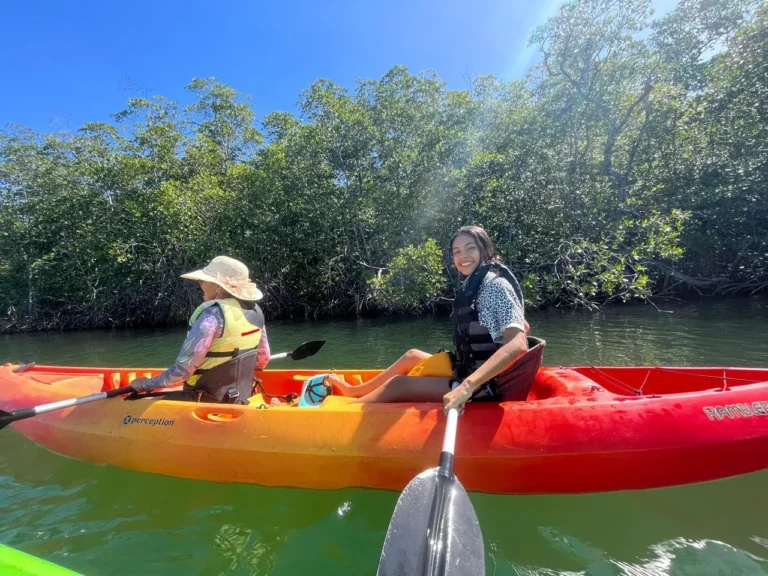 Shared Kayak Tour$60 per personSee tour and book →
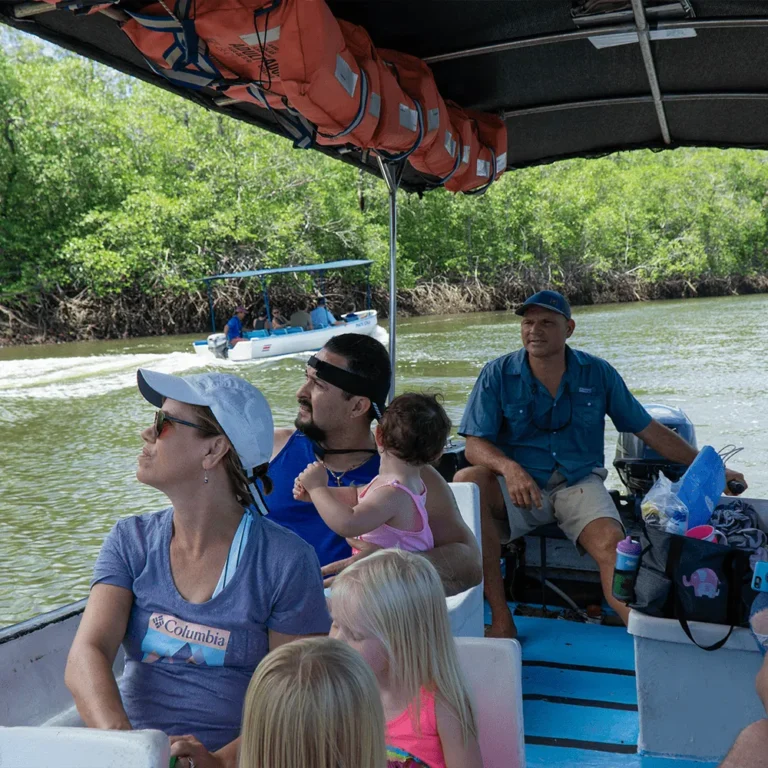 Shared Boat Tour (Mangrove Safari)$40 per personSee tour and book →
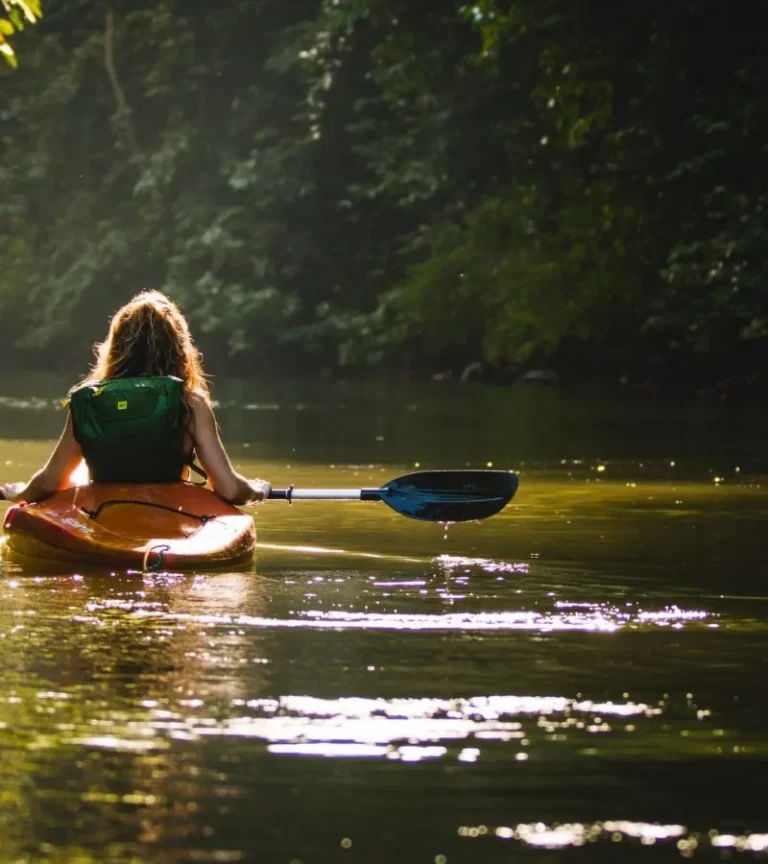 Private Kayak Tour$100 per personSee tour and book →
Frequently asked questions
What types of mangroves grow in Tamarindo?
Several species grow along the estuary, including red mangrove, with its arching prop roots, black mangrove, with small roots that stick up from the mud, and white mangrove on firmer ground. Your guide helps you tell them apart during the tour.
Can you walk inside the Tamarindo mangroves?
The mangrove grows on soft, flooded mud, so it is visited by boat or kayak. Both tours include a short walk in the tropical dry forest next to the mangrove.
Are there mosquitoes in the mangrove?
There can be, especially in the rainy season and in sheltered spots without wind. Apply insect repellent before the tour and wear light clothes that cover your shoulders if you are sensitive to bites.
Why does the mangrove sometimes smell?
The smell comes from leaves and organic matter decomposing in the mud. It is completely normal and is the base of the food chain that feeds crabs, fish and birds.
Why are mangroves protected in Costa Rica?
Mangroves are nurseries for many marine species, protect the coast from erosion and store large amounts of carbon. In Tamarindo they are also inside Las Baulas Marine National Park, so they are visited only with care and without damaging the vegetation.
More Tamarindo guides
- Tamarindo Estuary: Crocodiles, Tides and What to BringPlan your Tamarindo estuary tour: crocodiles, herons and howler monkeys in Las Baulas, why the tide sets the time, what to bring, and boat or kayak prices.
- Boat or Kayak? How to Choose Your Mangrove Tour in TamarindoTamarindo kayak tour or boat tour? Compare shared and private options by effort, wildlife, kids rules, tides and price, from $40 per person.
- Crocodile Tour in Tamarindo: Where and How to See Wild CrocodilesCrocodile tour in Tamarindo: where to see wild American crocodiles, how they behave, safety rules, the best tide and photo tips. Boat tours from $40.
- Wildlife in Tamarindo: Animals You Can See and WhereWildlife in Tamarindo: crocodiles, howler monkeys, iguanas, crabs, birds, sloths and sea turtles, with the tour, place and season to see each animal.
- Birdwatching in the Tamarindo Estuary: Birds You Can SeeBirdwatching in Tamarindo: herons, egrets, kingfishers, ospreys and spoonbills in the estuary, the best season and tide, tips for birders and which tour.
- Where to See Monkeys in TamarindoWhere to see monkeys in Tamarindo: howler monkeys in the Las Baulas dry forest, best time of day, how to watch them respectfully and which tours go there.