
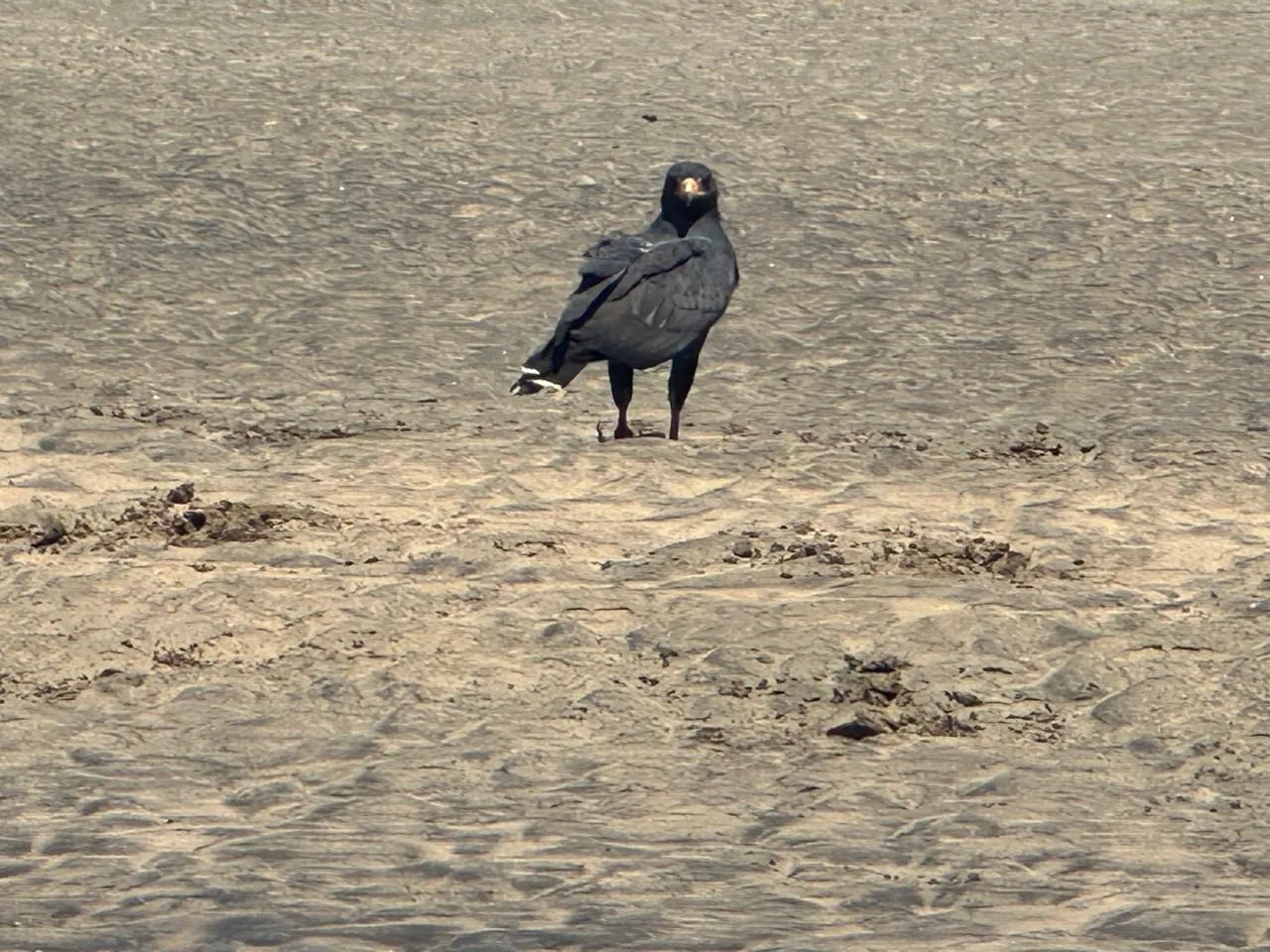
Our guides see it on almost every tour: a visitor spots a crocodile, lifts a phone, zooms in all the way and gets a blurry gray shape. Five minutes later a heron stands perfectly still in the sun and comes out as a white blob. Good Tamarindo wildlife photography is less about expensive gear and more about a few settings, the right light and knowing how the tide shapes the day.
This guide gathers what works on our estuary and turtle tours, for phones and cameras alike.
Short answer: for the estuary, use optical zoom (a phone telephoto lens or a 300 to 400 mm camera lens), a fast shutter speed of at least 1/500 of a second, focus on the eye and slightly underexpose white birds. Morning high tides usually give the softest light. On night turtle tours there is no flash and no white light, and you photograph only when the guide says so.
Tamarindo wildlife photography: what you will be shooting
The estuary offers a little of everything, and each subject asks for something different:
- American crocodiles: resting on the banks or floating, often in mixed sun and shade. You need zoom and patience.
- Herons and egrets: still and easy to frame, but white plumage burns out quickly in bright sun.
- Kingfishers and birds of prey: fast and small. Burst mode and quick reactions help.
- Iguanas: high in the mangrove branches, against a bright sky.
- Howler monkeys: in the shade of the dry forest canopy, where light is low.
- Sea turtles: at night on the nesting tour, or in golden light on the sunset release.
Gear: what to bring on the estuary tour
- Phone: a model with a telephoto lens (2x, 3x or 5x) makes a huge difference. Clean the lens before you start.
- Camera: a zoom of 100 to 400 mm, or similar, is ideal. You do not need a tripod; on a boat it does not help.
- Binoculars: to find the animal first, then shoot.
- Spare battery and memory card: burst mode fills cards fast.
- Protection: a microfiber cloth for humidity and, in the rainy season, a simple rain cover or plastic bag. On the kayak tour you receive a dry bag for your phone and keys.
- Polarized sunglasses or a polarizing filter: they cut glare on the water and help reveal crocodiles just below the surface.
Phone settings that work
- Switch to the telephoto lens and avoid pushing digital zoom far beyond it; the image quickly turns soft.
- Tap and hold on the animal to lock focus and exposure, so the camera does not get fooled by bright water or sky.
- Slide exposure down a little for white herons and egrets, so the feathers keep their detail.
- Use burst mode for kingfishers, birds in flight and a crocodile sliding into the water.
- Turn off the flash for the whole tour. It does not help in daylight and it disturbs wildlife.
- Try video for howler monkeys; their movement and their roar tell the story better than a still photo.
Camera settings for the estuary
- Shutter speed: 1/500 s or faster for resting animals on a moving boat; 1/1000 to 1/2000 s for birds in flight.
- Aperture: around f/5.6 to f/8 for enough depth to keep the whole head sharp.
- ISO: auto ISO, so the shutter speed stays fast in the shade of the mangrove.
- Focus: continuous autofocus with a single point or eye detection, placed on the eye.
- Exposure: minus 0.3 to minus 0.7 for white birds; shoot RAW if you like to edit later.
Light and tide: timing your best photos
Boat and kayak tours leave with the high tide, when the water is deep enough to enter the narrow mangrove channels. Because high tide comes a little later each day, the departure time changes, and we confirm it by WhatsApp after you book. Our guide to the Tamarindo tide schedule explains how it works.
- Morning tides: soft light, active birds and crocodiles basking after a cool night. The favorite of most photographers.
- Midday tides: harsh light from above. Look for animals in open shade and keep the sun behind you.
- Afternoon tides: warm light in the dry season; in the rainy season, possible showers, but also dramatic clouds and soft light after the rain.
Light rain does not usually stop a tour, and a damp, overcast day can be excellent for even, soft light on birds.
Composition tips from the boat
- Get low: shoot from as close to water level as you safely can; animals look more natural at eye level.
- Leave space in front of the animal, in the direction it is looking or moving.
- Include the habitat: red mangrove roots, a reflection on calm water or the edge of the forest add context.
- Brace yourself: rest your elbows on your knees and exhale as you press the shutter.
- Tell us you are a photographer: on a private boat tour in Tamarindo ($800 per boat, up to 10 people, 2 hours) the guide adapts the pace so you can stay longer with each animal.
Photographing turtles: night tour and sunset release
Night nesting tour
On the Tamarindo turtle tour ($60 per person, pickup in Tamarindo at 5:30 pm) the rules come first. White light, including phone screens and flash, can make a female return to the sea without nesting.
- Turn the flash off and set your screen to minimum brightness before you reach the beach.
- Take photos only when the guide says it is a good moment, and never use light to focus.
- Night mode on phones needs long exposures and a lit screen, so results are usually poor. Accept that many moments are better watched than photographed.
Read the full turtle nesting tour rules before your night.
Sunset and baby turtle release
The sunset release departs at 3:30 pm from Tamarindo, so you photograph in the warm late-afternoon light. Follow the instructions of the conservation team, never block the hatchlings on their way to the sea and keep the flash off and your screen dim. Wide shots of the beach and the sunset often make the best memories. More in our guide to the baby turtle release in Tamarindo.
Photograph responsibly
- Never bait, feed or call animals to get a closer shot.
- Do not ask the captain to push into an animal’s space; a relaxed animal makes a better photo.
- Do not fly drones over the park or the wildlife.
- Share the best spots on the boat so everyone gets a turn.
Ready to fill your memory card? Book the Tamarindo boat tour with Tamarindo Estuary Tours Mi Rey online with a $15 deposit per person, or reserve the private boat for your photo group. If you want a morning tide for your dates, write to us on WhatsApp and we will help you plan.
Book these tours
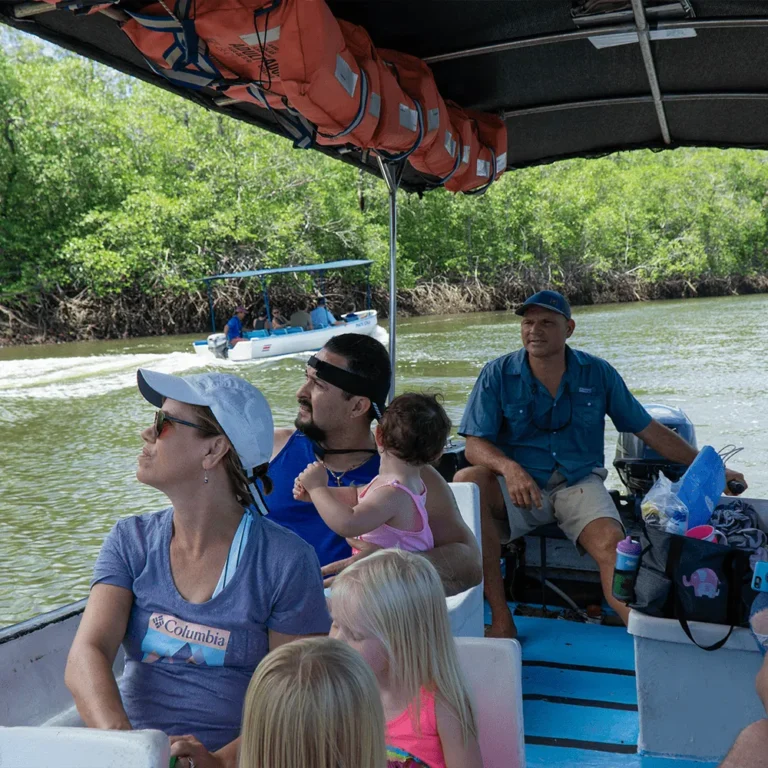 Shared Boat Tour (Mangrove Safari)$40 per personSee tour and book →
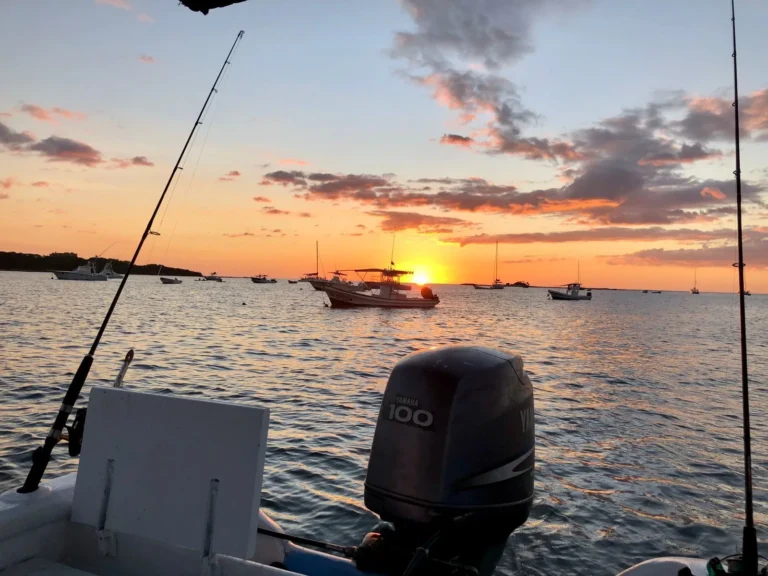 Private Boat Tour · up to 10 people$800 per boatSee tour and book →
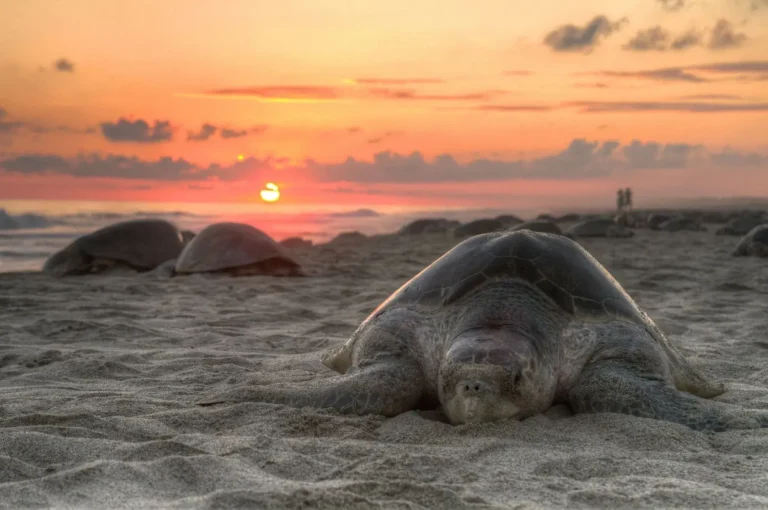 Turtle Nesting Tour$60 per personSee tour and book →
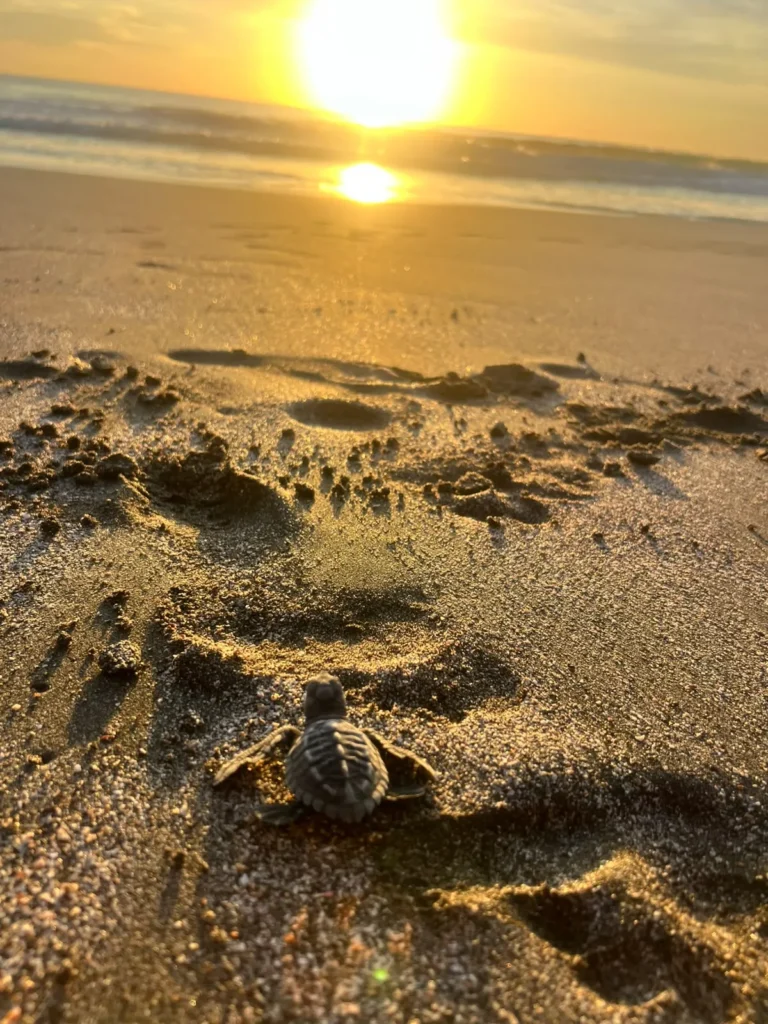 Sunset & Baby Turtle Release$50 per personSee tour and book →
Frequently asked questions
What is the best lens for Tamarindo wildlife photography?
A zoom that reaches 300 to 400 mm covers crocodiles, birds and monkeys from a respectful distance. With a phone, use the built-in telephoto lens rather than heavy digital zoom.
Can I take photos on the night turtle tour?
Only without flash or white light, and only when the guide says it is a good moment. Light can make a female return to the sea without nesting, so many of the best moments are simply watched.
Is the boat or the kayak better for photography?
The boat is more stable and lets you use larger cameras safely, while the kayak gets you closer to the water but exposes your gear to splashes. Serious photographers often choose a private boat to set their own pace.
What shutter speed should I use on a moving boat?
Start at 1/500 of a second for resting animals and go to 1/1000 or faster for birds in flight. Let the camera raise the ISO automatically if the light is low.
Can I fly a drone over the Tamarindo estuary?
Please do not. The estuary is part of Las Baulas Marine National Park, drone use in Costa Rican protected areas requires special permits, and drones disturb birds and other wildlife.
More Tamarindo guides
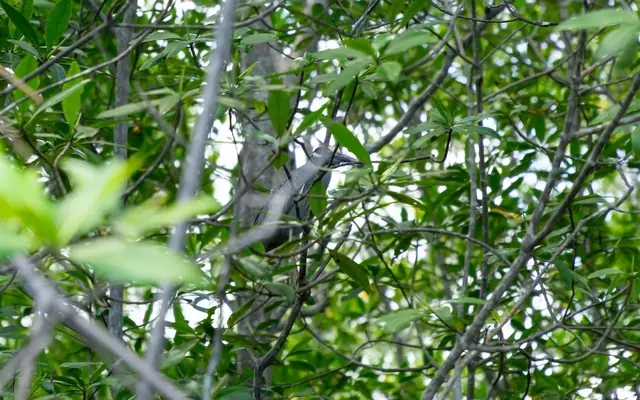 Estuary, mangroves and wildlifeTamarindo Estuary: Crocodiles, Tides and What to BringPlan your Tamarindo estuary tour: crocodiles, herons and howler monkeys in Las Baulas, why the tide sets the time, what to bring, and boat or kayak prices.
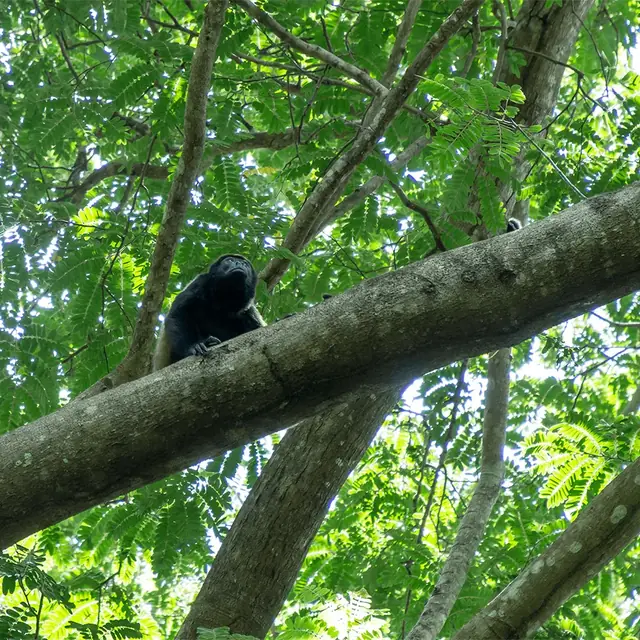 Estuary, mangroves and wildlifeNature Tours in Tamarindo: Estuary, Turtles, Forest and WaterfallsNature tours in Tamarindo: estuary boat and kayak tours, turtle nesting and releases, sloths, waterfalls and volcanoes, with prices, durations and seasons.
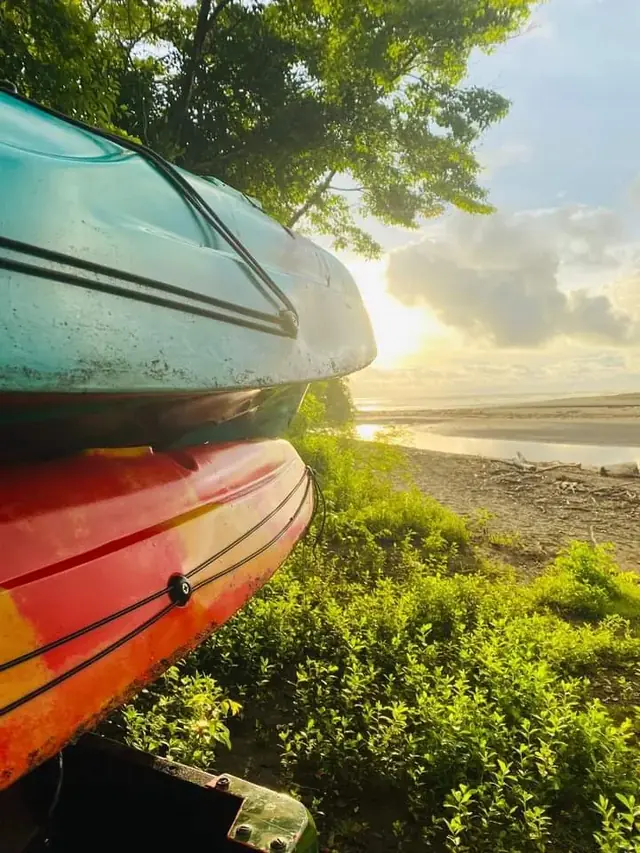 Estuary, mangroves and wildlifeBoat or Kayak? How to Choose Your Mangrove Tour in TamarindoTamarindo kayak tour or boat tour? Compare shared and private options by effort, wildlife, kids rules, tides and price, from $40 per person.
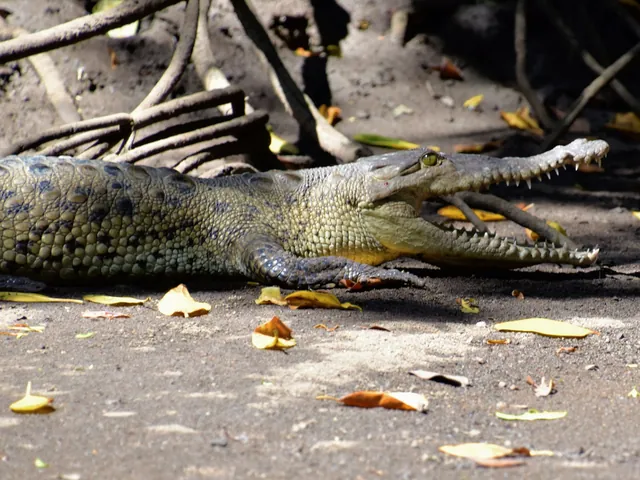 Estuary, mangroves and wildlifeCrocodile Tour in Tamarindo: Where and How to See Wild CrocodilesCrocodile tour in Tamarindo: where to see wild American crocodiles, how they behave, safety rules, the best tide and photo tips. Boat tours from $40.
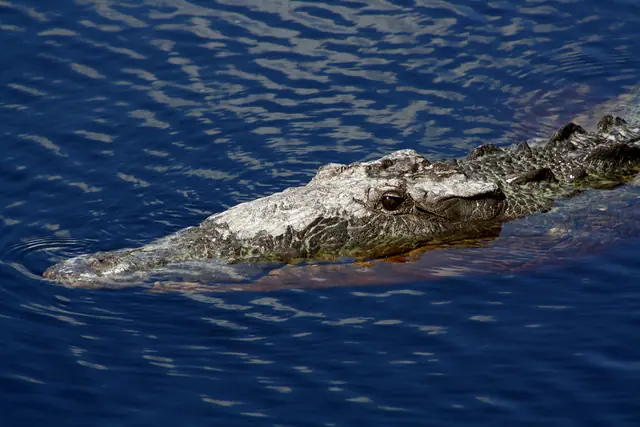 Estuary, mangroves and wildlifeAmerican Crocodile Facts: Meet the Crocodile of the Tamarindo EstuaryAmerican crocodile facts: how big it gets, what it eats, how it lives in salt water, how to tell it from a caiman and where to see one near Tamarindo.
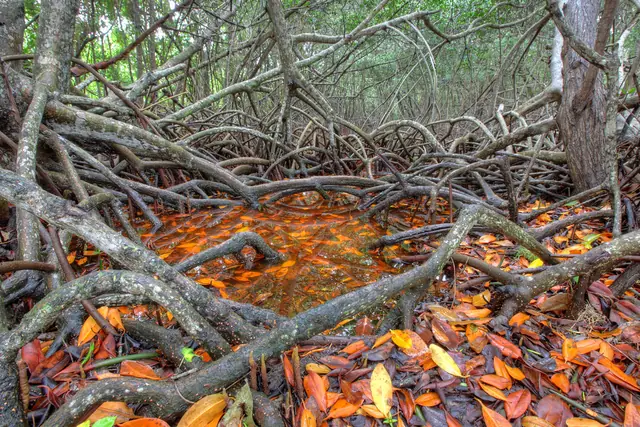 Estuary, mangroves and wildlifeTamarindo Mangrove Tour: Why the Mangrove Forest MattersTamarindo mangrove tour guide: the types of mangroves, why they are a nursery for fish and wildlife, and how to explore them by boat or kayak from $40.