
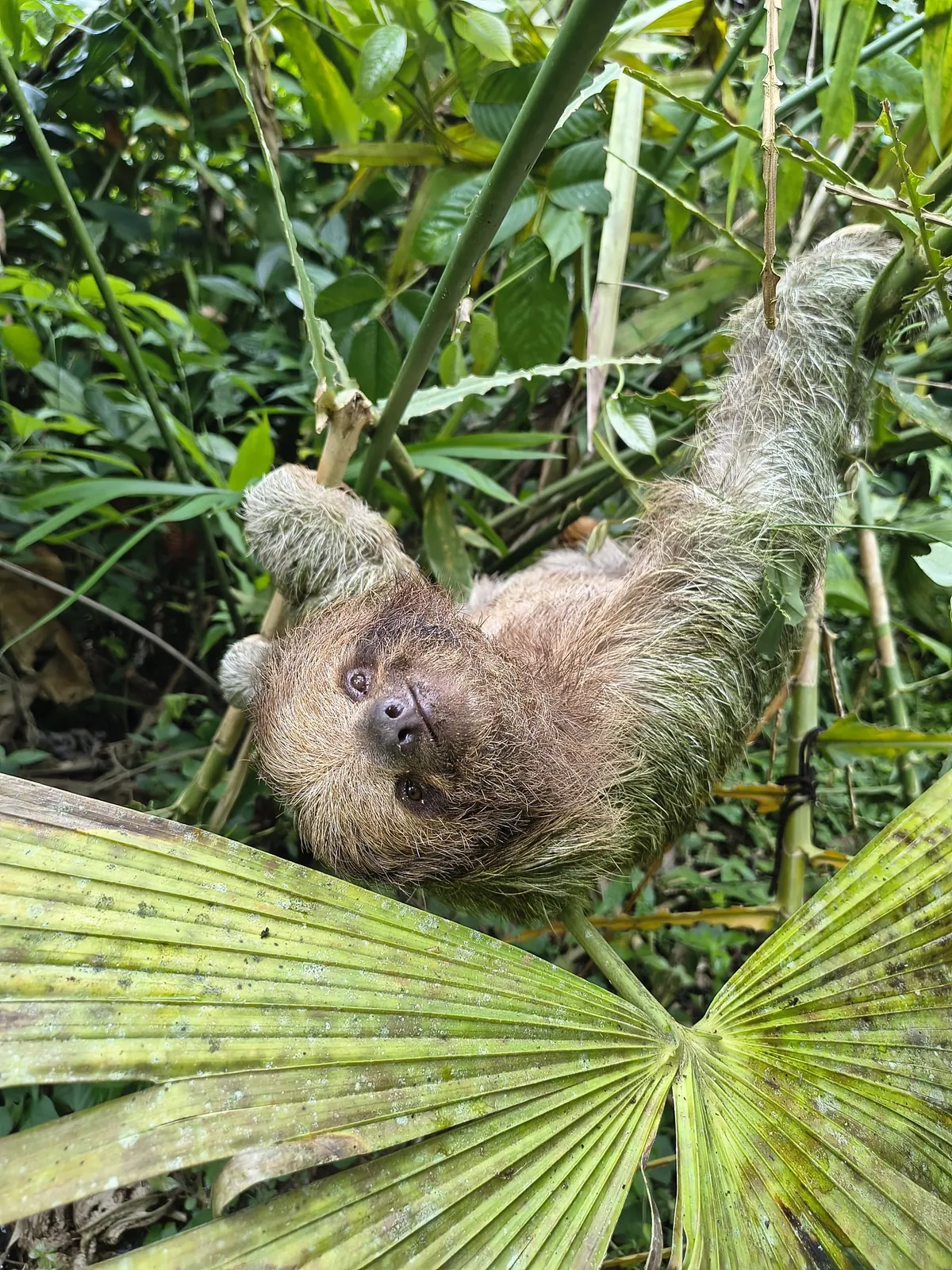
Most travelers we pick up in Tamarindo have one thing on their list before the beach: animals. They have read about sloths, crocodiles, monkeys and sea turtles, and they want to know which Costa Rica wildlife tours are worth their limited vacation days. As a small local operator on the Pacific coast, we answer that question every week, and this guide gives you the same honest answer we give on the boat.
Short answer: the best Costa Rica wildlife tours are guided, small-group outings in protected habitats: a mangrove boat tour for crocodiles and birds, a night turtle tour in season, and a guided walk or day trip for sloths and monkeys. If you fly into Liberia (LIR), Guanacaste lets you do all three from one base. In Tamarindo, Tamarindo Estuary Tours Mi Rey runs the estuary boat tour from $40 per person. No responsible operator can guarantee sightings.
Costa Rica wildlife tours: what makes a good one
Costa Rica packs rainforest, cloud forest, dry forest, wetlands and two coastlines into a small country, so almost every region offers some wildlife. The difference between a great tour and a disappointing one is rarely the destination. It usually comes down to four things:
- A guide who knows the place daily. Animals are camouflaged. A local guide spots the crocodile on the bank or the monkey in the canopy that visitors walk right past.
- The right time of day. Early morning and late afternoon are the most active hours for birds and monkeys. On estuaries, the tide matters as much as the clock.
- A protected habitat. National parks and refuges hold more wildlife, and the animals there are more relaxed around people.
- Respect for the animals. No feeding, no handling, no chasing. If an operator promises to put a wild animal in your hands, look elsewhere.
Best tours in Costa Rica to see wildlife, by type
Boat and mangrove tours
River and estuary boat tours are the most reliable way to see large reptiles and waterbirds. You sit comfortably, cover a lot of habitat and watch crocodiles, herons and iguanas from a safe distance. They suit families, seniors and photographers alike. Our guide to Costa Rica mangrove tours explains how they work and how to choose one.
Night tours and turtle tours
Many animals only come out after dark: frogs, insects, some mammals and, on the beaches, nesting sea turtles. Turtle tours are seasonal, so check the Costa Rica turtle nesting season before you plan your trip around one.
Forest walks and sloth tours
Sloths, toucans and monkeys live high in the trees, and a guide with a trained eye makes all the difference. Sloths move slowly, but they are surprisingly hard to find on your own.
Kayak tours
Paddling is the quietest way to approach birds and mangrove life. It is a good option for active travelers who want some exercise with their wildlife.
Which region of Costa Rica for which animals
If you are still choosing where to stay, here is a simple overview. It is general, and every region has its surprises.
- Caribbean coast: canals, rainforest and green turtle nesting in the summer and early fall.
- Central highlands and cloud forest: birds such as the resplendent quetzal, hanging bridges and cooler weather.
- Central and South Pacific: rainforest parks with monkeys and sloths, and large crocodiles in some rivers.
- Guanacaste (North Pacific): tropical dry forest, estuaries, turtle beaches and volcanoes, with the sunniest weather of the country in the dry season.
Wildlife tour Guanacaste: why it is an easy base
For many American and Canadian travelers, Guanacaste is the most practical region for wildlife. Liberia International Airport (LIR) receives many flights from the United States and Canada, especially in the high season, and Tamarindo is about an hour to an hour and a half away by road. Flying into San José (SJO) is also possible, but the drive to the coast takes several hours.
From one base you can combine water, forest and beach:
- The Tamarindo estuary, inside Las Baulas Marine National Park and a few minutes from town: crocodiles, herons, iguanas and howler monkeys.
- Turtle beaches along the coast, with nesting and hatching seasons that change through the year.
- The interior, with sloths, waterfalls and the Rincón de la Vieja volcano on full-day trips.
The dry forest has an advantage visitors rarely expect. In the dry season, roughly December to April, many trees lose their leaves, and monkeys and birds become much easier to see.
Our wildlife tours from Tamarindo
We are a local, family-run operator, and we only run tours we know well. These are the ones built around wildlife:
- Tamarindo estuary tour by boat: $40 per person, 2 hours, minimum 2 people, children 2 and under free. Bilingual guide, bottled water, seasonal fruit and pickup from Tamarindo or Langosta included. Crocodiles, birds, iguanas and a short dry-forest walk with howler monkeys.
- Shared kayak tour: $60 per person, 2 to 2.5 hours, minimum 2 people. You paddle with the tide into the national park, with life jackets, a dry bag and a bilingual guide.
- Tamarindo turtle tour: $60 per person, pickup in Tamarindo at 5:30 pm, to Playa Minas or Playa Jesús in season. If we do not see turtles, we reschedule for the next night or make it up to you with the estuary tour.
- Sloth tour in Guanacaste with Llanos de Cortés waterfall: $185 per person, 6:30 am to about 6 pm, minimum 4 people, with transportation, entrance tickets, drinks and a Costa Rican lunch.
Boat and kayak departure times depend on the high tide and are confirmed by WhatsApp after you book. For a closer look at the animals around town, read our guide to the wildlife tour in Tamarindo.
How to plan your wildlife days
- Start with the estuary on your first or second day. It is short, close to town and shows the most species per hour.
- Check the season if turtles matter to you, and keep one evening flexible.
- Add one full day inland for sloths, waterfalls or the volcano.
- Leave room to rest. Wildlife watching works best when you are not rushing from one tour to the next.
Bring light clothes, a hat, sunglasses, repellent, sunblock and a camera with zoom. Binoculars help a lot with birds.
Booking direct with a local operator
When you book with Tamarindo Estuary Tours Mi Rey, you deal directly with the people who run the boat. You pay only the deposit online and the balance on the day of the tour, in cash, in US dollars or colones. Pickup from Tamarindo or Langosta is included where stated, and farther areas pay an extra transportation cost to the driver. You can read what other travelers say about us in our Google reviews.
Ready to start your Costa Rica wildlife trip in Guanacaste? Book the Tamarindo boat tour online with a $15 deposit per person, or write to Tamarindo Estuary Tours Mi Rey on WhatsApp and we will help you combine wildlife tours around your dates.
Book these tours
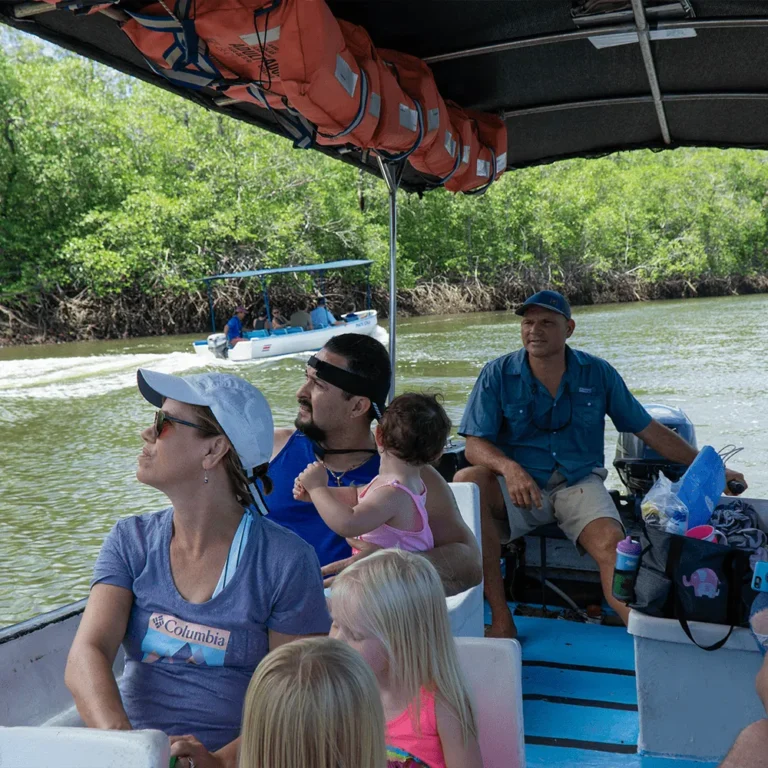 Shared Boat Tour (Mangrove Safari)$40 per personSee tour and book →
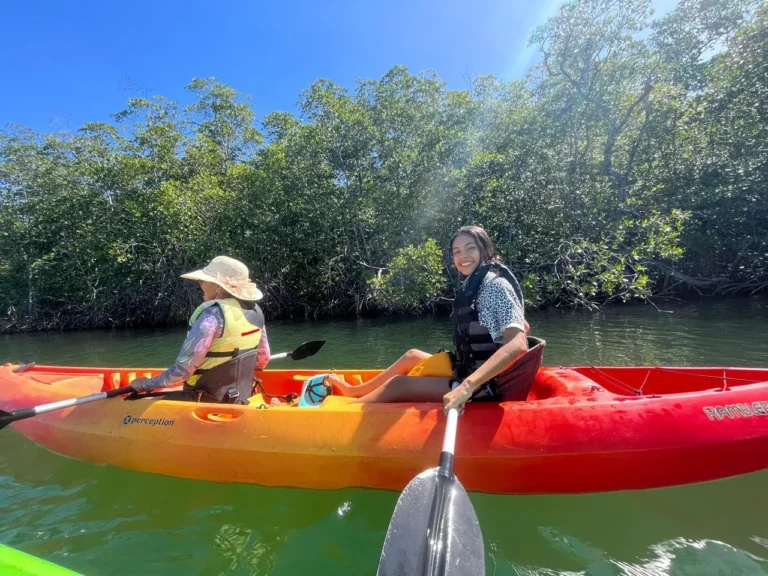 Shared Kayak Tour$60 per personSee tour and book →
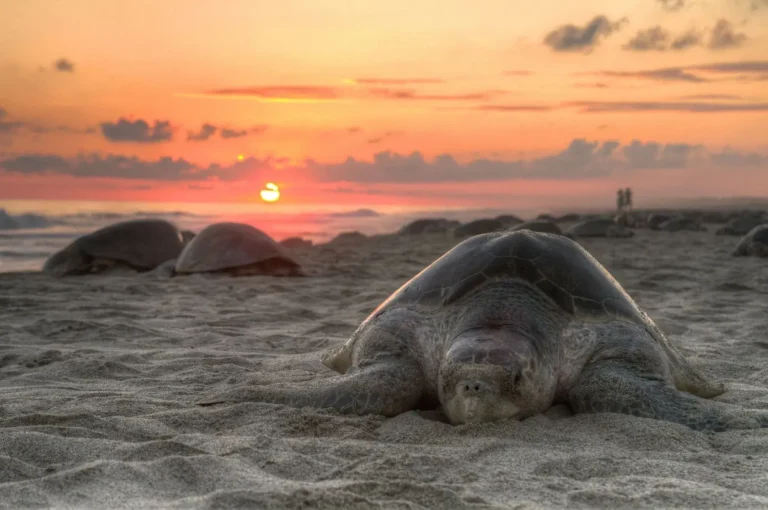 Turtle Nesting Tour$60 per personSee tour and book →
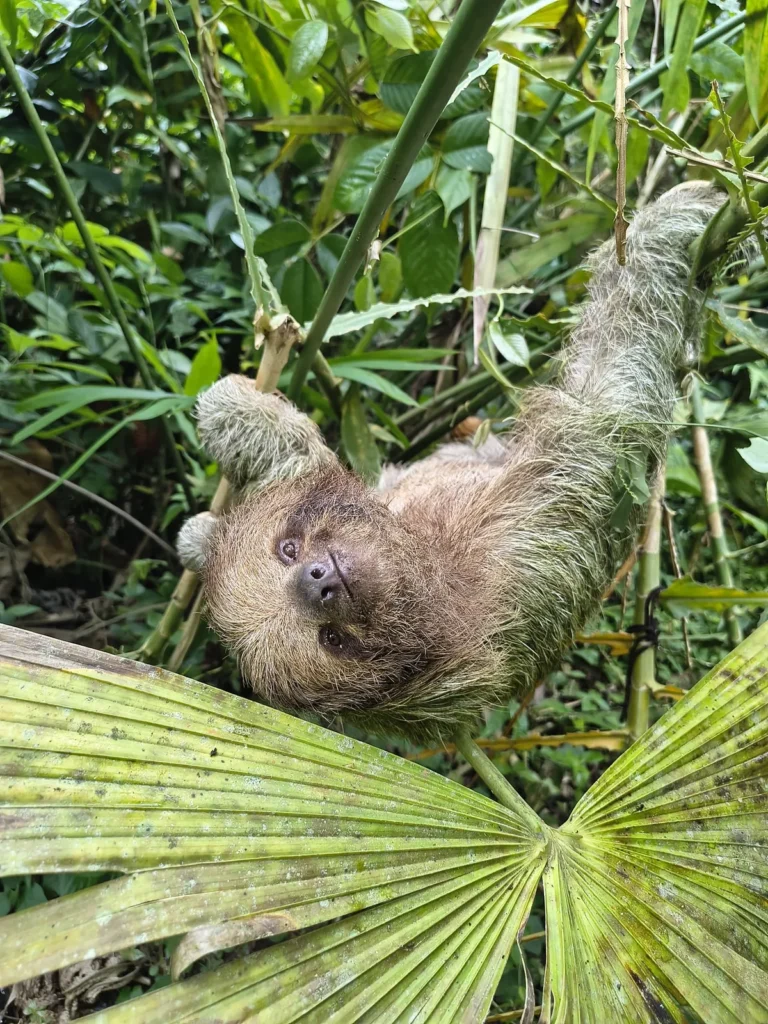 Sloths and Llanos de Cortés Waterfall$185 per personSee tour and book →
Frequently asked questions
What are the best Costa Rica wildlife tours for first-time visitors?
A guided boat tour through a mangrove or river is the easiest start, because it shows crocodiles, birds and iguanas in about two hours with little effort. Add a turtle tour in season or a sloth tour inland to round out the trip.
Can I see sloths on a wildlife tour in Guanacaste?
Yes, but sloths are uncommon in the dry forest right around Tamarindo. Our Sloths and Llanos de Cortés Waterfall day trip ($185 per person, minimum 4 people) includes a guided sloth tour inland.
Is wildlife guaranteed on Costa Rica tours?
No. The animals are wild and free, so no responsible operator can guarantee them. Local guides know where animals usually rest, which is why sightings on the Tamarindo estuary are frequent.
Should I fly into Liberia or San José for a wildlife trip?
If you plan to stay in Guanacaste, Liberia (LIR) is much closer to Tamarindo, about an hour to an hour and a half by road. San José (SJO) often has more flight options but adds several hours of driving.
What is the best time of day for wildlife tours?
Early morning and late afternoon are the most active hours for birds and monkeys. On the Tamarindo estuary, boat and kayak tours leave with the high tide, so we confirm the exact time by WhatsApp after you book.
More Tamarindo guides
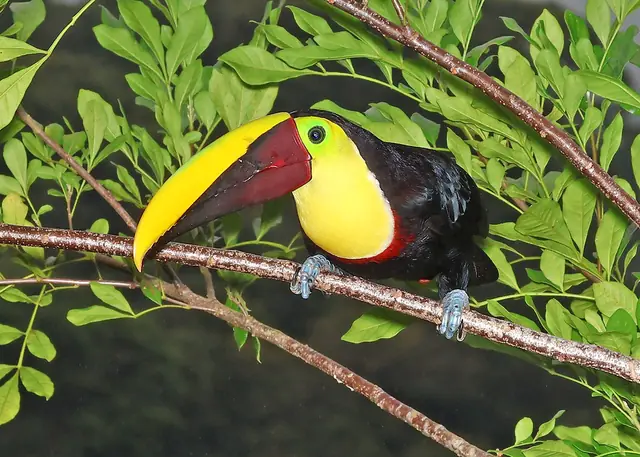 Costa Rica & GuanacasteCosta Rica Tours: Types by Region, How to Choose and Our Tours from TamarindoCosta Rica tours explained: main types by region, how to choose, booking direct vs packages, and our 13 tours from Tamarindo with real prices from $40.
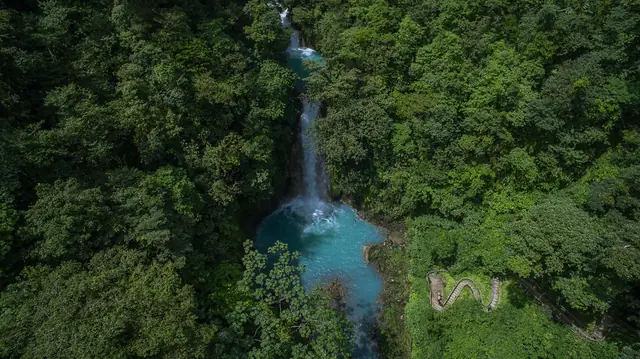 Costa Rica & GuanacasteThings to Do in Costa Rica: The Essentials and the Best of GuanacasteThings to do in Costa Rica: the essential experiences, ideas by month, with kids or for adults, and the best of Guanacaste with local tours from Tamarindo.
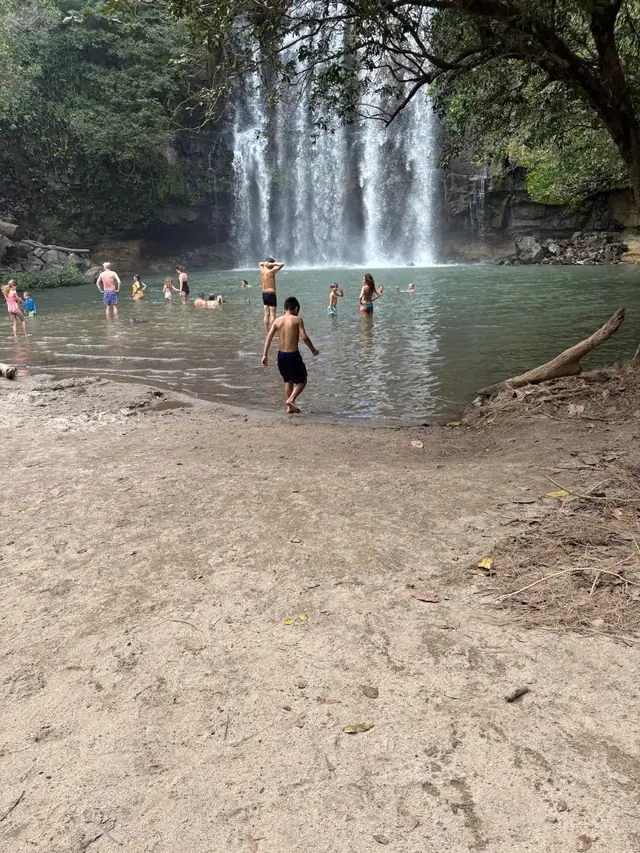 Costa Rica & GuanacasteThings to Do in Guanacaste, Costa Rica: A Local Operator’s GuideThings to do in Guanacaste, Costa Rica: wildlife, volcanoes, waterfalls, beaches, turtles and culture, with kids or as a couple, plus tours from Tamarindo.
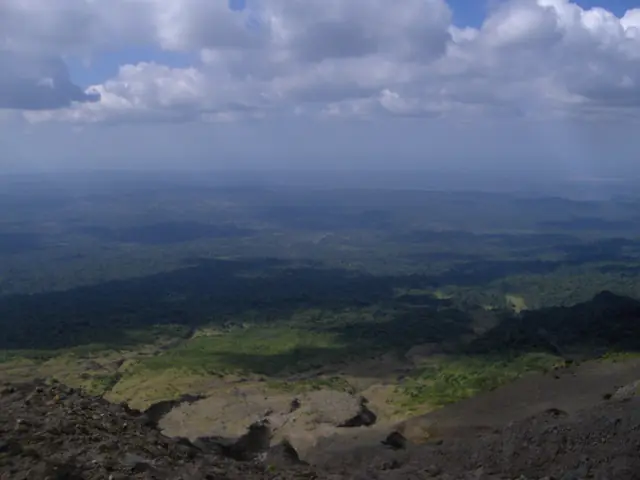 Costa Rica & GuanacastePlaces to Visit in Guanacaste: National Parks, Beaches and TownsPlaces to visit in Guanacaste, Costa Rica: Rincón de la Vieja, Santa Rosa, Palo Verde, Las Baulas, Ostional, the best beaches and towns like Liberia and Nicoya.
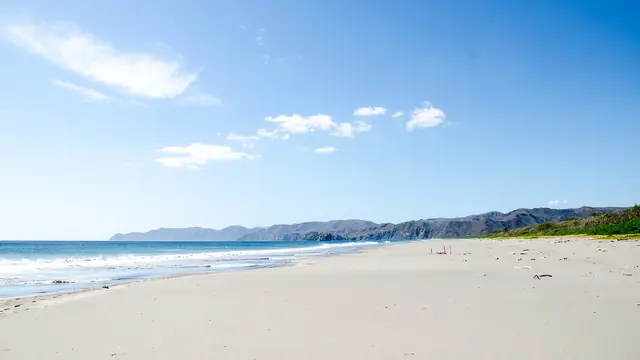 Costa Rica & GuanacasteBest Time to Visit Costa Rica: A Pacific Coast Guide by Season and GoalBest time to visit Costa Rica from Guanacaste: dry season vs green season and the best months for beaches, wildlife, sea turtles and a trip with kids.
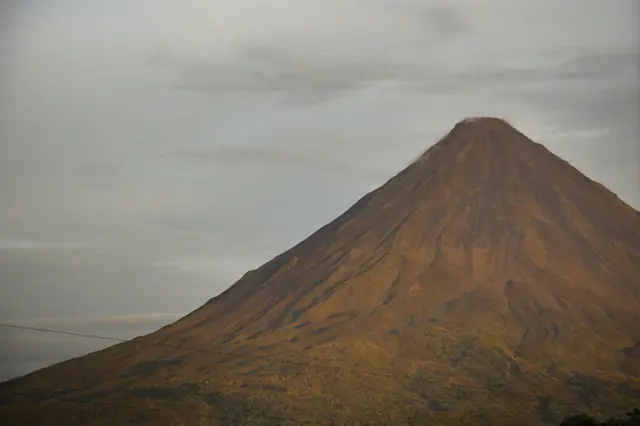 Costa Rica & GuanacasteCosta Rica Itinerary 10 Days: Volcanoes, Wildlife and a Guanacaste Beach BaseCosta Rica itinerary 10 days: a realistic route with a volcano region and six nights in Tamarindo, a 7-day Guanacaste version, tour prices and tips.