
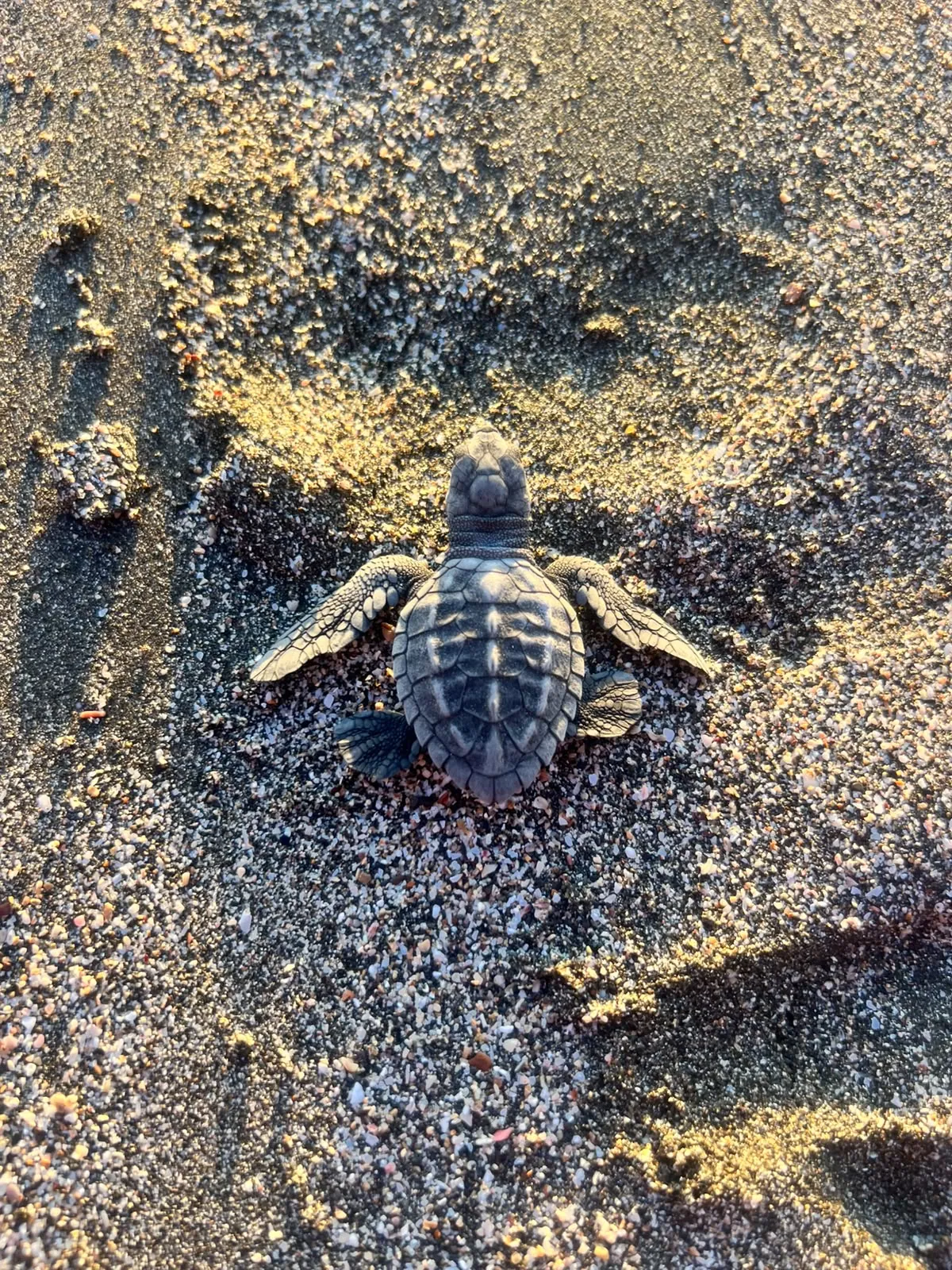
If you see a sea turtle nesting in Guanacaste, it will most likely be an olive ridley sea turtle. This small, olive-gray turtle is the most common species on the Pacific coast of Costa Rica, and the one our guides find most often on night tours from Tamarindo.
It is also the protagonist of one of the great wildlife events of the world: the arribada. This guide focuses only on the olive ridley: how to recognize it, how and why it nests in two very different ways, what happens during a nesting, when the season is and where you can see it from Tamarindo.
Short answer: the olive ridley (tortuga lora) nests alone on many beaches near Tamarindo, mainly during the rainy months, and in mass arribadas at Ostional, about 2 hours south. The main arribada season is August to December, with the peak from September to November, and smaller arribadas are possible from May. You can see it on a night nesting tour near Tamarindo or on an Ostional arribada tour.
How to recognize an olive ridley sea turtle
The olive ridley is one of the smallest sea turtles in the world. On the beach, a few details make it easy to identify:
- Size: a shell of around 60 to 70 centimeters (about 2 feet). Adults usually weigh less than 50 kilograms.
- Shell: rounded, almost as wide as it is long, olive gray to grayish green.
- Head: fairly large and triangular for the size of the body.
- Track: narrow, with alternating flipper marks, because it crawls moving one side and then the other.
Its closest relative is the Kemp’s ridley of the Gulf of Mexico, the only other turtle known for arribadas. To compare it with the leatherback, the black turtle and the hawksbill, see our guide to the sea turtles in Costa Rica.
Olive ridley nesting: alone or in an arribada
Solitary nesting
Most of the time, olive ridleys behave like other sea turtles. Each female comes ashore on her own, usually at night, digs her nest and returns to the sea. This happens on many beaches along the Guanacaste coast, including the beaches visited on night turtle tours from Tamarindo.
The arribada
On a few beaches in the world, olive ridleys do something extraordinary. Females gather in the water in front of the beach and then come ashore together, in huge numbers, over several days. At Ostional, more than a thousand turtles a day can arrive during an arribada.
In Costa Rica, arribadas occur at Ostional and at Nancite, a remote beach in Santa Rosa National Park with restricted access, so Ostional is the place where visitors can see one.
Scientists still study exactly what triggers an arribada. A widely accepted explanation for why it works is safety in numbers: so many eggs are laid at once that predators can only eat a small part of them. The downside is that later turtles often dig up nests laid days earlier, so the beach becomes crowded with eggs and shells.
How an olive ridley turtle lays her eggs
An olive ridley nesting is quicker than that of the larger species, often finished in about an hour. If you watch the full process, you will see these steps:
- She leaves the surf and climbs to dry sand above the high tide line.
- She clears a shallow pit and digs the egg chamber with her rear flippers, one after the other.
- She lays around one hundred eggs. This is the calmest moment, when a guide usually lets the group approach from behind.
- She fills the nest and packs the sand by rocking her body from side to side, a movement often described as a dance.
- She returns to the sea, leaving the nest to incubate for roughly 45 to 60 days.
A female may nest more than once in the same season. As with other sea turtles, the temperature of the sand influences whether hatchlings are male or female.
Ostional arribada: a special case
Ostional is part of the Ostional National Wildlife Refuge, and its arribadas are managed together with the local community.
Ostional is also known for a legal, regulated egg harvest by the community during the first hours of some arribadas, under the supervision of the authorities, based on the fact that many of those early eggs would be destroyed by later turtles.
In exchange, the community helps protect and clean the beach. Outside this special program, taking, buying or selling turtle eggs is illegal in Costa Rica.
For practical details on the visit, such as rules, what to bring and the drive, read our guide to the Ostional arribada tour.
Olive ridley nesting season in Guanacaste
- Solitary nesting: mainly during the rainy months, with activity increasing from May.
- Arribadas at Ostional: roughly once a month, each lasting several days. Smaller ones are possible from May to July; the main season is August to December; the peak is September to November.
- Timing within the day: solitary females nest mostly at night. During an arribada, turtles often start coming ashore in the afternoon and continue into the night.
Nobody can set the date of an arribada in advance, so it helps to keep your plans flexible. To see how the olive ridley fits with the leatherback season and hatchling releases, check the best time to see turtles in Guanacaste.
Is the olive ridley endangered?
The olive ridley is the most abundant sea turtle in the world, but the IUCN lists it as vulnerable. Its main threats are accidental capture in shrimp trawls and other fishing gear, illegal egg collection, coastal lights and development, and plastic and lost fishing nets in the ocean. Abundance in a few arribada beaches can hide declines elsewhere, which is why every nesting beach matters.
Where to see olive ridleys from Tamarindo
- Tamarindo turtle tour: $60 per person, minimum 2 people, pickup in Tamarindo at 5:30 pm. It visits Playa Minas or Playa Jesús, where the olive ridley is the species you are most likely to see. If we do not see turtles, we reschedule for the next night or make it up to you with the estuary tour.
- Ostional arribada tour: $130 per person, minimum 4 people, with transportation from Tamarindo or Langosta and a bilingual guide. The schedule depends on each arribada.
Not sure which one fits your trip? Our comparison Ostional or Playa Grande helps you decide by month and travel style.
Ready to meet the olive ridley with Tamarindo Estuary Tours Mi Rey? Book online with a $20 deposit per person and pay the balance on the day of the tour, or write to us on WhatsApp to ask about the next expected arribada.
Book these tours
 Turtle Nesting Tour$60 per personSee tour and book →
 Ostional Arribada Tour$130 per personSee tour and book →
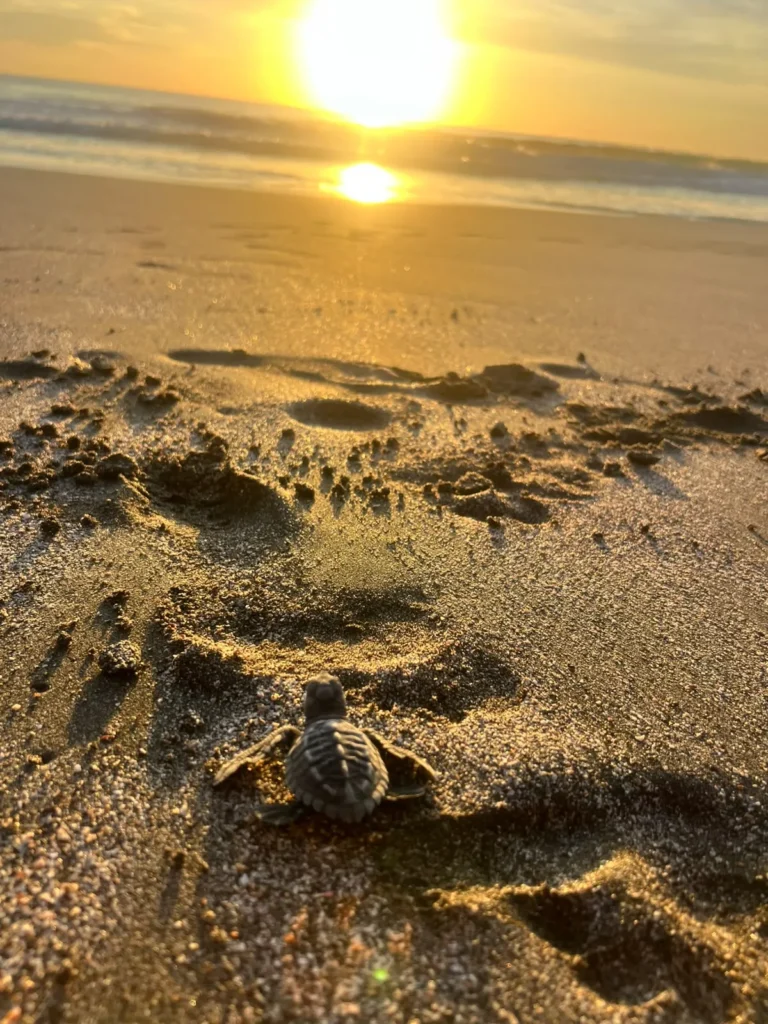 Sunset & Baby Turtle Release$50 per personSee tour and book →
Frequently asked questions
Why is it called an arribada?
Arribada means arrival in Spanish. It is the name for the mass nesting of olive ridleys, when thousands of females come ashore on the same beach over several days.
When is olive ridley nesting season in Guanacaste?
Olive ridleys nest mainly in the rainy months. At Ostional, the main arribada season is August to December, with the peak from September to November, and smaller arribadas are possible from May.
Can I see olive ridleys without going to Ostional?
Yes. Olive ridleys also nest one by one on beaches near Tamarindo. They are the species most often seen on our night Turtle Nesting Tour at Playa Minas or Playa Jesús, although sightings are never guaranteed.
How many eggs does an olive ridley lay?
A female usually lays around one hundred eggs per nest and may nest more than once in a season. The eggs hatch after roughly 45 to 60 days, depending on the temperature of the sand.
Is the olive ridley sea turtle endangered?
It is the most abundant sea turtle in the world, but the IUCN lists it as vulnerable. It depends on protected nesting beaches and on reducing accidental capture in fishing gear.
More Tamarindo guides
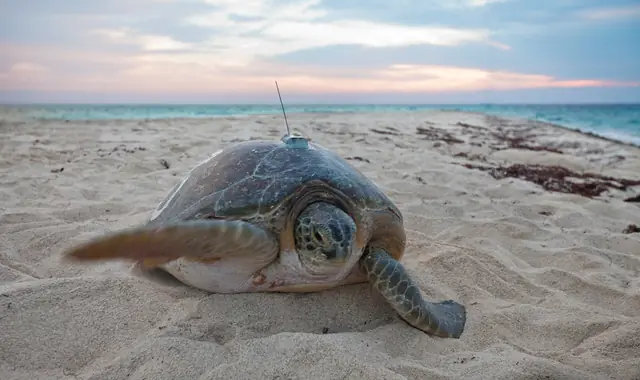 Sea turtlesBest Time to See Turtles in Guanacaste: Month by MonthBest time to see turtles in Guanacaste, month by month: leatherbacks at Playa Grande, Ostional arribadas, olive ridleys and baby turtle releases.
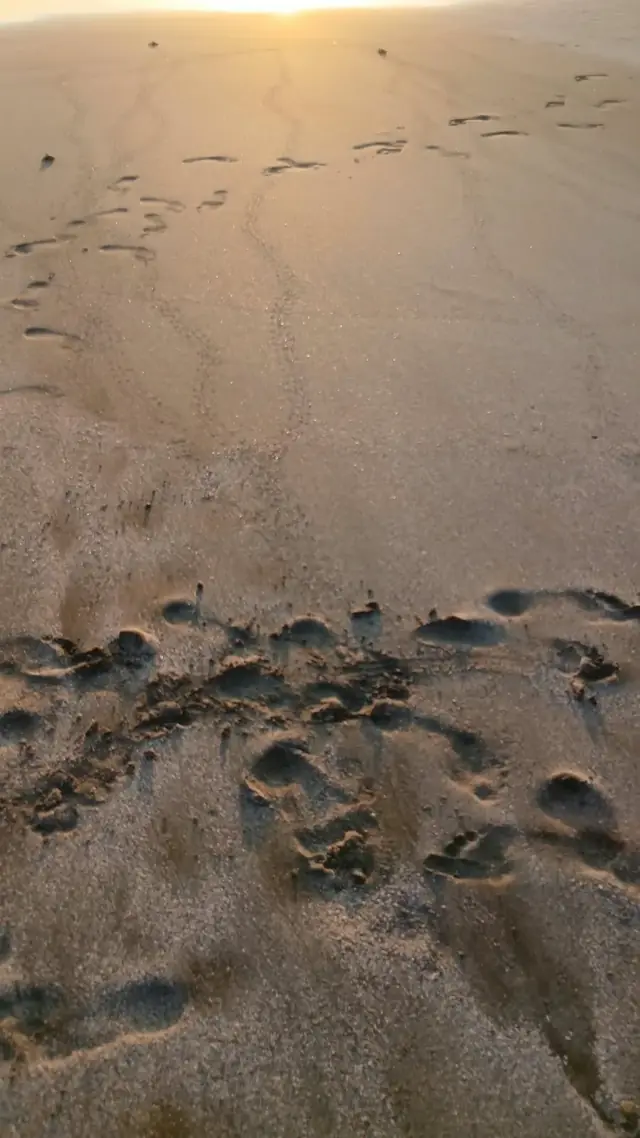 Sea turtlesPlaya Grande Turtle Tour: Night Nesting Near TamarindoPlaya Grande turtle tour from Tamarindo: why it goes to Playa Minas or Playa Jesús, the night step by step, species you may see and the $60 price.
 Sea turtlesTurtle Watching Rules and Tips: What to Expect on a Night TourTurtle nesting tour rules and tips: no white light or flash, keep your distance, what to wear and bring, how long you wait and what happens if no turtles.
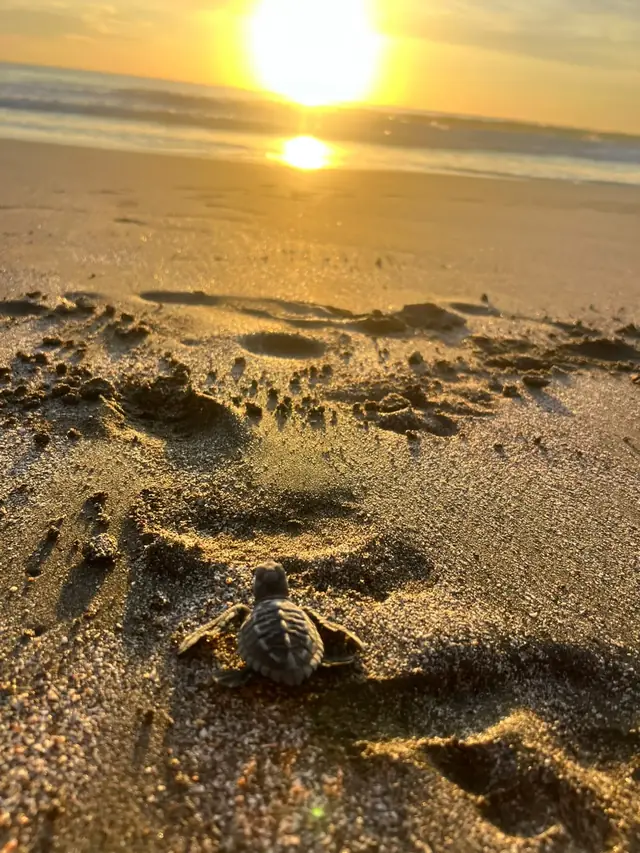 Sea turtlesBaby Turtle Release in Tamarindo: How It WorksBaby turtle release in Tamarindo: how the sunset release works, conservation rules, what visitors can and cannot do, price and dates. From Nov 12.
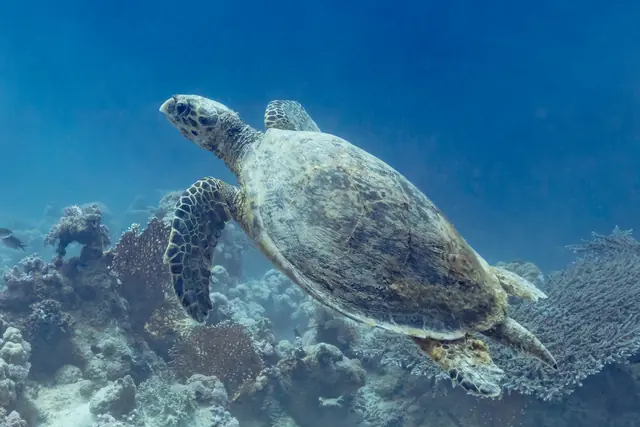 Sea turtlesSea Turtles of Guanacaste: Leatherback, Olive Ridley and Green TurtleSea turtles of Guanacaste, Costa Rica: leatherback, olive ridley, green and hawksbill. Size, nesting habits, status and where each nests near Tamarindo.
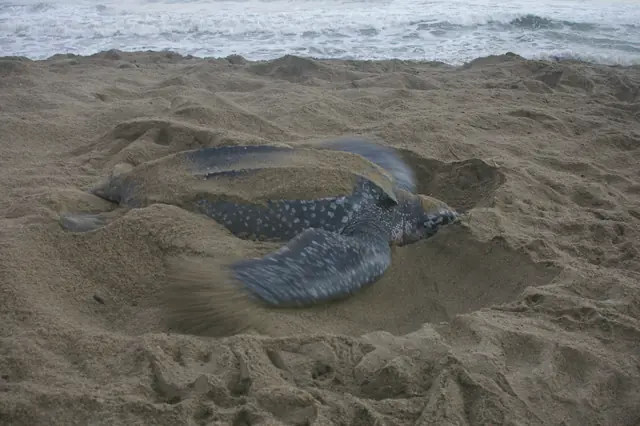 Sea turtlesLeatherback Sea Turtle in Costa Rica: The Giant of Playa GrandeLeatherback sea turtle in Costa Rica: size, diet, why Playa Grande is famous, its critical status in the Pacific, nesting season and how to see one responsibly.