
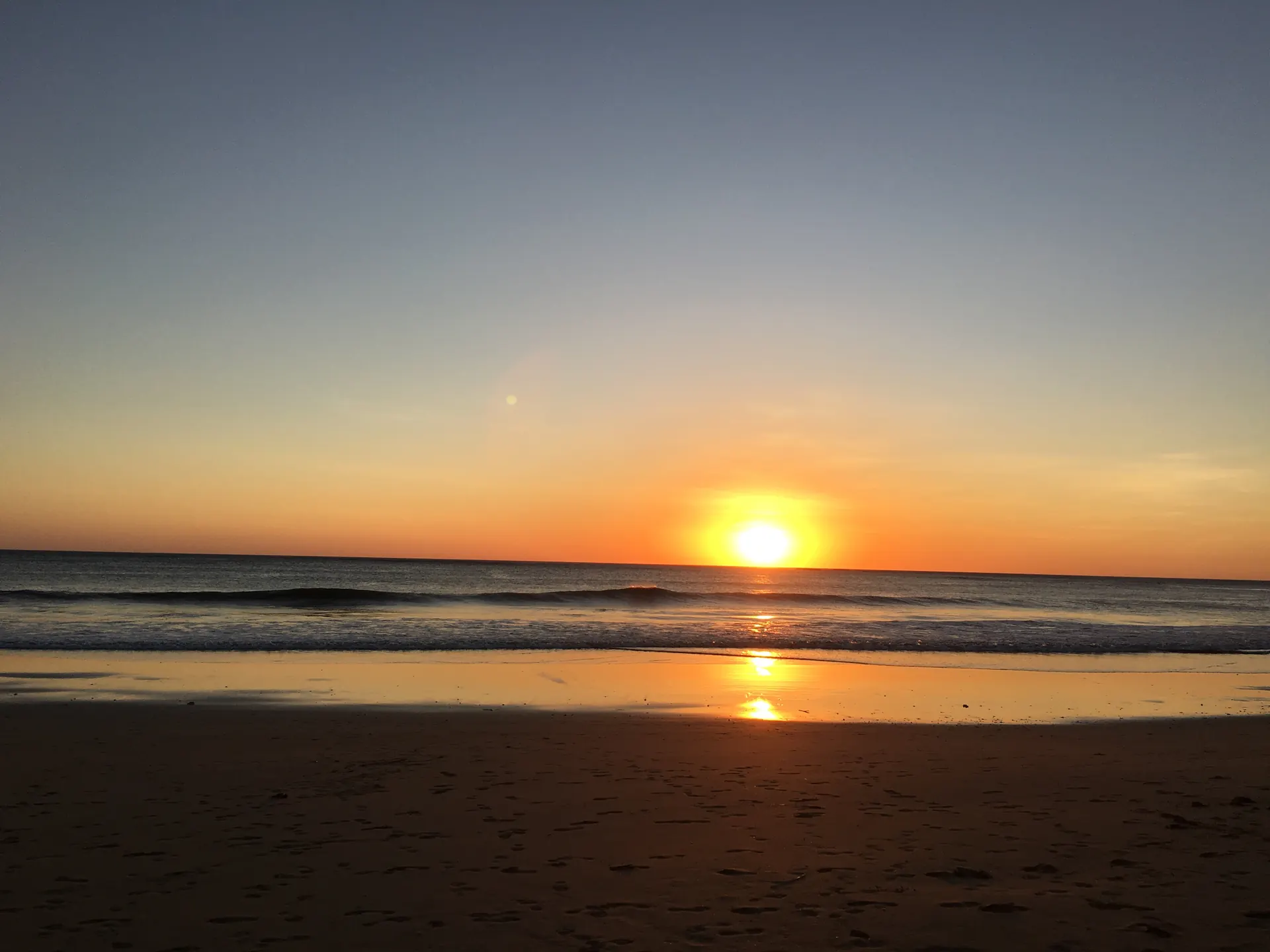
Halfway through our boat tours, as we turn back toward the estuary mouth, guests often point across the water and ask about the long, empty beach on the other side. That is Playa Grande, Costa Rica: a wide stretch of sand backed by low forest and very few buildings. It is one of the most important places on the Pacific coast for the leatherback sea turtle and a favorite beach for surfers.
Short answer: Playa Grande is the beach just north of Tamarindo, across the Tamarindo estuary. It is part of Las Baulas Marine National Park, known for powerful surf and leatherback nesting, and best visited during the day. You reach it by road, not by crossing the estuary mouth, and during the nesting season the beach closes at night to protect the turtles.
Where Playa Grande is and how it relates to the estuary
The Tamarindo estuary is the river mouth that separates the town of Tamarindo from Playa Grande. On one side are the town and the busy main beach; on the other, mangroves, dry forest and a long beach with little development.
The estuary, its mangroves and Playa Grande all belong to the same protected area, and they depend on each other. The mangroves feed fish and birds, and the dark, quiet beach gives turtles a place to nest.
The estuary mouth is not a crossing
Although the two beaches look close, crocodiles live in the estuary and move through the mouth, and the current becomes strong when the tide changes. Do not try to wade or swim across.
By road, the route goes inland around the estuary, so the drive is longer than the short distance across the water suggests. Check a map app for current travel times.
Playa Ventanas and the rest of the park
At its north end, Playa Grande continues toward Playa Ventanas, also part of the park. For the full picture of what the park protects, read our guide to the Las Baulas National Park tour.
Why Playa Grande is protected
The park takes its name from the baula, the Spanish word for the leatherback, the largest sea turtle in the world. Females come ashore at night to dig their nests, and they are very sensitive to light, noise and people on the beach.
That is why development near the beach has been kept low, lighting is limited and access at night is restricted during the season.
The honest part of the story is that the leatherback population nesting here has declined sharply, and the species is endangered. Far fewer females arrive than in the past, and no one can promise a sighting. Learn more in our guide to the leatherback sea turtle.
Playa Grande turtles: nesting season and beach rules
Leatherbacks nest at Playa Grande from about October to February or March, with the most activity in December and January. Green and olive ridley turtles also use the park beaches. During the season:
- The beach is closed at night to keep it dark and quiet. Plan your visit for daylight hours.
- Use no lights on any beach at night on this coast, including phone flashlights and camera flashes. Artificial light confuses turtles and hatchlings.
- Do not dig, drive or leave objects on the sand where nests may be buried, and fill in any holes before you leave.
- If you find tracks, a nest or hatchlings, keep your distance, do not touch them and tell park staff if you can.
- Take all your trash with you. Plastic bags are easily mistaken for jellyfish, a key food of the leatherback.
Rules, hours and entrance requirements can change, so check the current information with the park before you go.
Where our turtle tour goes instead
Because the nesting beach is closed at night in season, our Tamarindo turtle tour ($60 per person, pickup in Tamarindo at 5:30 pm) goes to Playa Minas or Playa Jesús. There, olive ridley and black turtles nest most often, sometimes hawksbills and, occasionally, leatherbacks.
Our guide to the Playa Grande turtle nesting tour explains why it works this way and what the night is like.
Playa Grande surf
Playa Grande is open to the swell, so it usually has stronger and more consistent waves than the center of Tamarindo. It is popular with intermediate and experienced surfers, while beginners usually learn better on the softer waves in Tamarindo with an instructor.
Currents can be strong. Read the water before you paddle out, never surf near the estuary mouth and do not count on lifeguards. Surfers follow the same beach rules as everyone else, especially in nesting season.
Visiting Playa Grande, Costa Rica: a day at the beach
Playa Grande feels very different from Tamarindo. There is little shade on the sand, few services right on the beach and plenty of room to walk. It suits long walks, surfing, watching seabirds and a quiet afternoon.
- Pick a daytime window and check the tide: low tide gives you a wider beach for walking.
- Pack for no services: water, shade, a hat and sunblock.
- Swim only when the sea is calm and stay close to shore; waves and currents can be strong.
- Leave before dark in nesting season, with no holes or trash left behind.
To compare it with the main beach in town, see our Tamarindo beach guide.
See the protected side of the estuary on a mangrove tour
The easiest way to experience the Playa Grande side of the estuary is from the water. Our Tamarindo boat tour ($40 per person, 2 hours, minimum 2 people) travels through the mangroves of Las Baulas to look for American crocodiles, herons, hawks and iguanas, with a short dry-forest walk where howler monkeys are frequent.
It includes a bilingual guide, bottled water, seasonal fruit and pickup from Tamarindo or Langosta. The shared kayak tour ($60 per person) follows the incoming tide into the park for a quieter experience at water level.
Both leave with the high tide, so the departure time changes every day and we confirm it by WhatsApp after you book. Sightings depend on nature and cannot be guaranteed.
Ready to explore Las Baulas from the water? Book the Tamarindo mangrove tour with Tamarindo Estuary Tours Mi Rey online with a deposit, or reserve the turtle nesting tour in season. If you have questions about dates, tides or pickup, write to us on WhatsApp and we will help you plan.
Book these tours
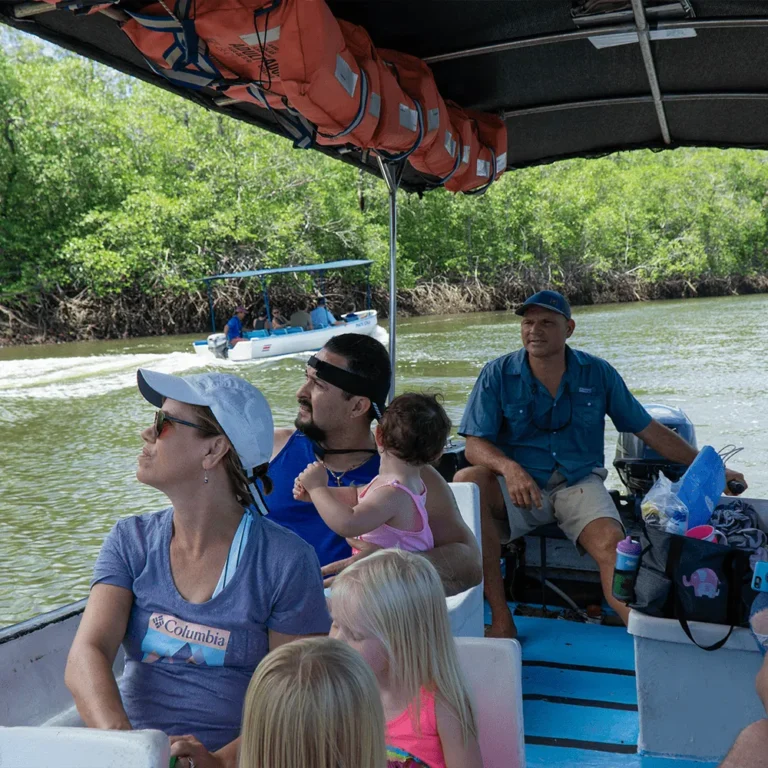 Shared Boat Tour (Mangrove Safari)$40 per personSee tour and book →
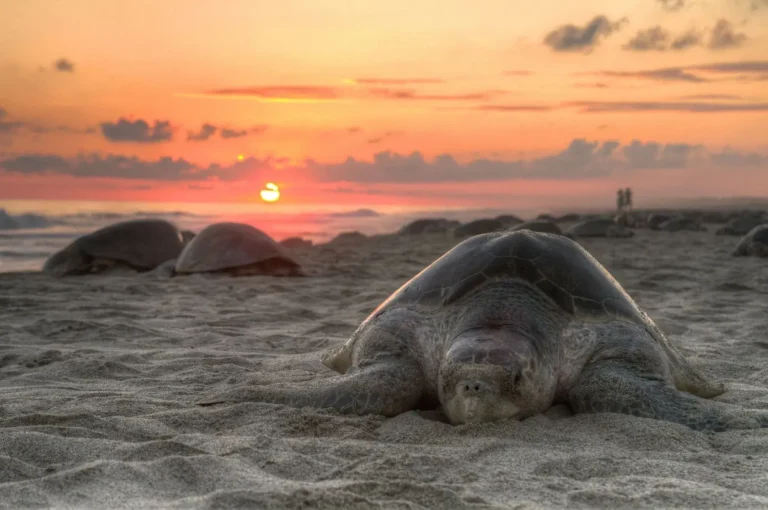 Turtle Nesting Tour$60 per personSee tour and book →
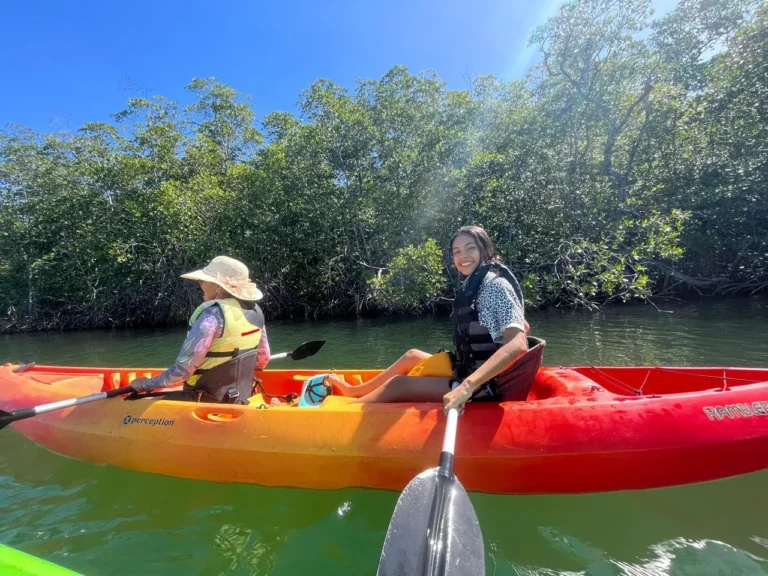 Shared Kayak Tour$60 per personSee tour and book →
Frequently asked questions
Is Playa Grande, Costa Rica, part of a national park?
Yes. Playa Grande is part of Las Baulas Marine National Park, which was created to protect the nesting beaches of the leatherback sea turtle. The park also includes the Tamarindo estuary and its mangroves.
Can I walk on Playa Grande at night?
During the leatherback nesting season, the beach is closed at night to keep it dark and quiet for the turtles. Plan to visit Playa Grande during the day, and check the current park rules before you go.
Can I walk or swim from Tamarindo to Playa Grande?
No. The two beaches are separated by the mouth of the Tamarindo estuary, where crocodiles live and the current is strong when the tide changes. Do not try to wade or swim across; go by road instead.
Is Playa Grande surf good for beginners?
Playa Grande usually has stronger and more powerful waves than the center of Tamarindo, so it tends to suit intermediate and experienced surfers. Beginners are usually better off learning in Tamarindo with an instructor.
Can I see leatherback turtles at Playa Grande?
Leatherbacks nest from about October to February or March, mostly in December and January, but their numbers have declined sharply and sightings are now rare. Our night turtle tour goes to Playa Minas or Playa Jesús, where olive ridley and black turtles nest more often.
More Tamarindo guides
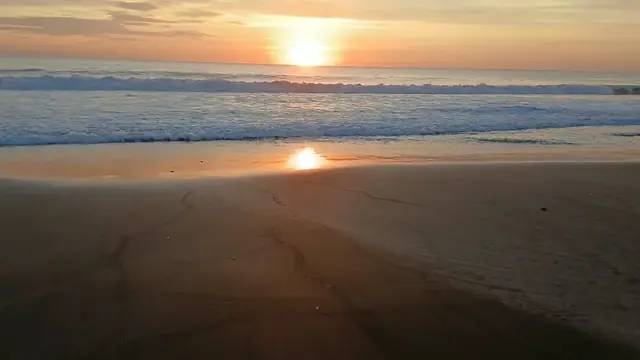 BeachesTamarindo Beach Guide: Surf, Swimming, Safety and SunsetsTamarindo beach guide: where to surf and swim, rip currents, why to avoid the estuary mouth, tide pools, sunsets and simple safety rules for your beach day.
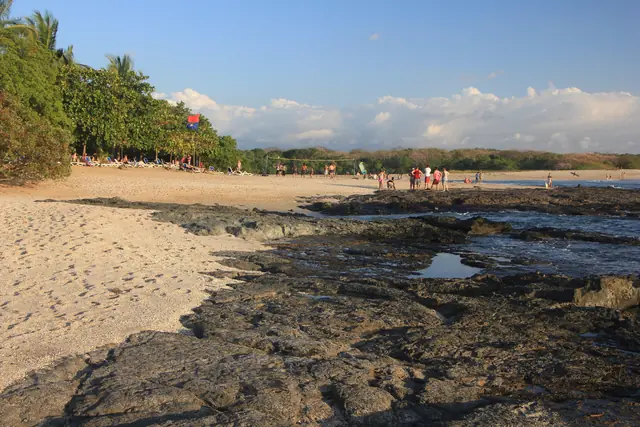 BeachesPlaya Langosta Guide: The Quiet Beach South of TamarindoPlaya Langosta guide: the quiet beach south of Tamarindo, how to walk there with the tide, its river mouth, swimming, turtle rules and tours with pickup.
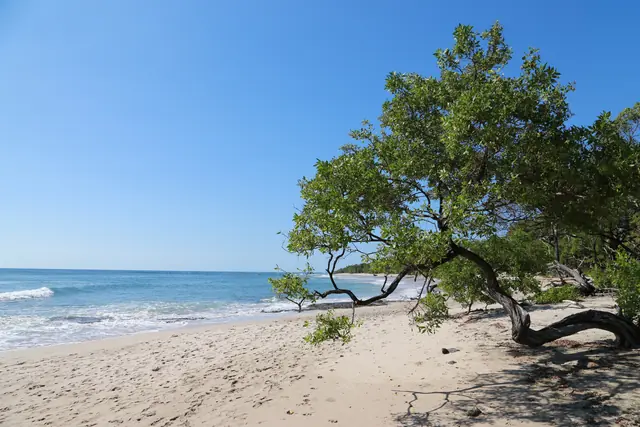 BeachesBeaches Near Tamarindo: A Local Guide to the CoastBeaches near Tamarindo: Playa Grande, Langosta, Conchal, Flamingo, Avellanas, Playa Negra and Junquillal, what each is best for and safety tips for the sea.
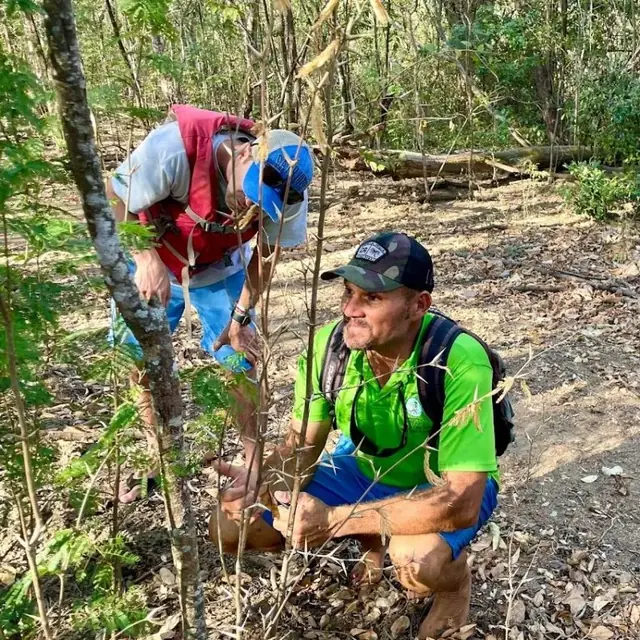 Plan your tripBest Tours in Tamarindo: A Local Operator's GuideBest tours in Tamarindo ranked by a local operator: estuary boat, kayak, turtles, horseback and day trips, with the price and length of all 13 tours.
 Plan your tripThings to Do in Tamarindo, Costa RicaThings to do in Tamarindo, Costa Rica: beach and sunset, the mangrove estuary, sea turtles, horseback rides, day trips and town life, with local tips.
 Plan your tripThings to Do in Tamarindo at Night: Turtles, Sunset and TownThings to do in Tamarindo at night: a turtle nesting tour, the sunset and baby turtle release, dinner in town and safety tips for walking after dark.